Best Italian Restaurants in Phnom Penh (2026 Guide)
Italian food has quietly become one of Phnom Penh's deepest cuisine categories: from hand-rolled pasta in hotel dining rooms to characterful courtyard trattorias and shop-front pasta kitchens. Here are nine proper Italian restaurants worth knowing, organised by what each one actually does well.
Italian food has quietly become one of the deepest cuisine categories in Phnom Penh, and the depth shows in the range rather than just the count. At one end sits the wood-fired pizza scene: BKK1 and Toul Tom Poung in particular have built a genuine culture around Neapolitan-style dough, house-made mozzarella and stone ovens that run hot from late morning until close. At the other end sits a smaller cluster of proper Italian dining rooms, where pasta is rolled by hand daily and the wine list gets as much attention as the menu. Tourists tend to find the first category quickly. The second takes longer to locate, mostly because it sits inside hotel compounds and quieter residential streets rather than the obvious tourist strips.
What follows is a working guide to both ends of that spectrum: nine restaurants worth knowing, organised by what they actually do well rather than a single ranked order. Restaurant details (hours, pricing and signature dishes) were verified in June 2026.
Quick Picks
- Best Authentic Italian: Il Forno, a decade-old, family-run kitchen with a real wood-fired oven and pasta made fresh daily.
- Best Al Fresco: Bellini, a rare leafy BKK1 courtyard with live jazz nights and seriously good gnocchi.
- Best Romantic Vibe: La Volpaia, white tablecloths, low lighting and an open kitchen on a quiet residential street.
Il Forno
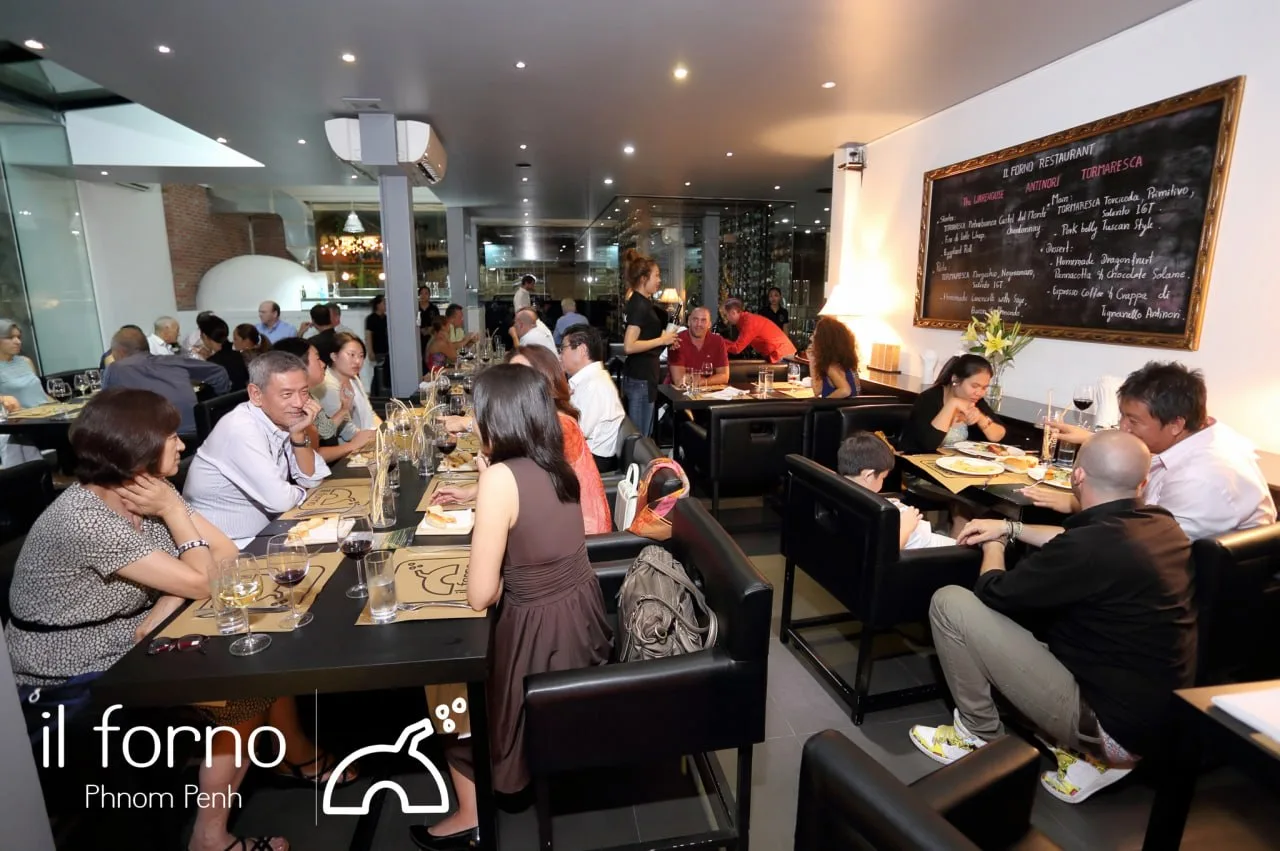
Il Forno (#11 Street 302, BKK1) has been a fixture of the BKK1 dining scene since 2015, when it opened as the second location of a family-owned brand that began in Siem Reap. The kitchen's namesake (the wood-fired oven itself) sits at the centre of the operation, turning out pizzas with properly charred, blistered crusts alongside a bisteccona al forno a legna that has built a loyal following among regulars who come for the meat as much as the pizza. The pasta programme matches the pizza in seriousness: everything is handmade daily; lasagna, tagliolini, gnocchi and ravioli made with heritage and consistent technique.
The dining room works for more occasions than most Italian restaurants in the city manage at once: private rooms suit a business lunch, the main floor handles a family celebration comfortably, and the lighting softens enough by evening for a date. A curated Italian wine list backs the food, with staff able to talk through pairings for the wood-fired mains specifically, and ingredients are imported directly from Italy to keep the flavours close to source. Expect to spend ten to twenty dollars a head with a drink, daily service from late morning to late evening, and Grab delivery if a night in is the plan. Few Italian kitchens in Phnom Penh have stayed this consistent for this long, and that consistency is the actual case for it.
Bellini
Bellini (Street 306, BKK1) is the work of founders Gabriele Faja and Massimiliano Tropeano alongside Italian chef Michele Magni, and it lands somewhere between a neighbourhood bistro and a proper ristorante: authentic pasta at its core, but with a cocktail programme and a characterful open-air courtyard that give it an identity distinct from BKK1's other Italian addresses. The gnocchi is the dish regulars come back for, and the bruschetta and lasagne hold up the rest of a menu that stays close to classic Italian technique rather than reaching for fusion. A house-made limoncello closes the meal the way it should.
The setting is the other half of the appeal: a leafy outdoor courtyard that is genuinely rare in this part of the city, and an open-air season of classical and jazz concerts that turns an ordinary dinner into an evening out. Cocktails like the Basil Sour are taken as seriously as the kitchen, which makes Bellini as much a place to linger over a drink as to eat. In the ten-to-twenty-dollar band with a drink, it sits in the middle of the category: a relaxed, romantic option for a long evening rather than a quick meal.
Trattoria Bello
Trattoria Bello (17C Street 460, Toul Tom Poung) has built one of the most consistently praised followings of any Italian restaurant in the city. The kitchen (Japanese-owned, Italian in execution) favours thin-crust, Neapolitan-style pizza alongside handmade pasta, and the tagliatelle carbonara and gnocchi come up repeatedly as the dishes regulars order on repeat. The margherita with gorgonzola is a useful test of the kitchen's range beyond the standard tomato-and-mozzarella base.
The setting is cosy and casual rather than formal, which suits the Toul Tom Poung neighbourhood it sits in: a short walk from the Russian Market, in a part of the city better known for street food and bakeries than fine dining. Pricing lands between five and ten dollars a head with a drink, making it the most accessible authentic option on this list, and it closes for a midday break before reopening for dinner service. This is the address for diners who want European-quality cooking without the price tag or formality of a hotel restaurant.
La Volpaia
La Volpaia (Street 392) operates as a revival of an earlier Italian institution in Phnom Penh, and the new iteration leans fully into the romantic register: white tablecloths, low lighting, an open kitchen that lets the room watch the pasta being finished. The squid ink spaghetti and the tagliatelle verde with oxtail are the dishes that distinguish the kitchen from the city's pizza-forward competitors, and the burrata with tomatoes works as a reliable starter for anyone unsure where to begin. A curated Italian wine list rounds out the experience.
At twenty to fifty dollars a head, this is priced toward the top of the category, and the atmosphere is built for a couple or a small table rather than a large group looking for volume. Street 392 sits away from the main BKK1 strip, which keeps the room quieter than its pizza-focused peers: exactly the kind of setting an anniversary dinner or a proposal calls for. Reservations are worth making on weekend evenings.
DO FORNI
DO FORNI (Old August Site, 26 Samdach Sothearos Boulevard) is the upscale Italian restaurant inside the Sofitel Phnom Penh Phokeethra, and it operates at a different register entirely from the rest of this list: dinner service only, guided by Italian consultant chef Fabrizio Aceti, with a menu built around traditional Roman cuisine rendered with modern technique. Hokkaido scallops with caviar and a homemade baccalà ravioli sit alongside the kitchen's own wood-fired pizzas, which means even at this level of formality, the pizza tradition has not been abandoned.
The Old August Site setting (a restored colonial-era compound shared with LA COUPOLE and other Sofitel dining venues) gives the room a sense of occasion that pizza-focused restaurants cannot replicate. In that same twenty-to-fifty band, this is the special-occasion address on this list: a milestone dinner, a client meal, an evening where the setting needs to do as much work as the food. Booking ahead is strongly advised, particularly for dinner on weekends.
Bistro Romano
Bistro Romano (Level 1, NagaWorld1) is the most polished hotel Italian on this list after DO FORNI, specialising in traditional Roman cooking given a contemporary, modern edge by an experienced Italian chef. The Milanese risotto and the Calabrian sausage penne are the dishes that define the kitchen's register (regional Italian rather than generic) and an open-plan kitchen lets the room watch the pasta being finished. The wine list is one of the more serious in the city, built to match the food rather than pad the bill.
The dining room is elegant but unstuffy, overlooking the NagaWorld1 lobby, with private areas for a quieter or more romantic table. Open daily from late morning to late evening, it works for a long lunch as readily as a special-occasion dinner. It sits in the same band, at the top of the category alongside the other hotel kitchens: the address for an evening where the setting and the wine matter as much as the plate.
Genova Trattoria
Genova Trattoria (21 Eo Street 154) is a small shop-front trattoria rather than a polished commercial operation, run by a native of Genova who makes the pasta and pizza entirely to order. The salumi and formaggi are imported directly from Italy rather than sourced locally, which shows in the charcuterie and cheese board specifically. Handmade ravioli, lasagne, gnocchi and tortelli cover the pasta side, while a wood-fired oven turns out pizza and focaccia for anyone who wants the bread course instead.
The setting is modest and unhurried, with the kind of pacing that suggests the kitchen is genuinely cooking to order rather than running a high-volume operation. At five to ten dollars a head, it sits closer to Trattoria Bello on price than to the hotel kitchens on this list, and the Street 154 shop-front means it rewards diners who already know where they are going rather than passing foot traffic. Good for a quiet dinner with someone who appreciates that the cheese on the board actually came from Italy.
Pasta Fresca
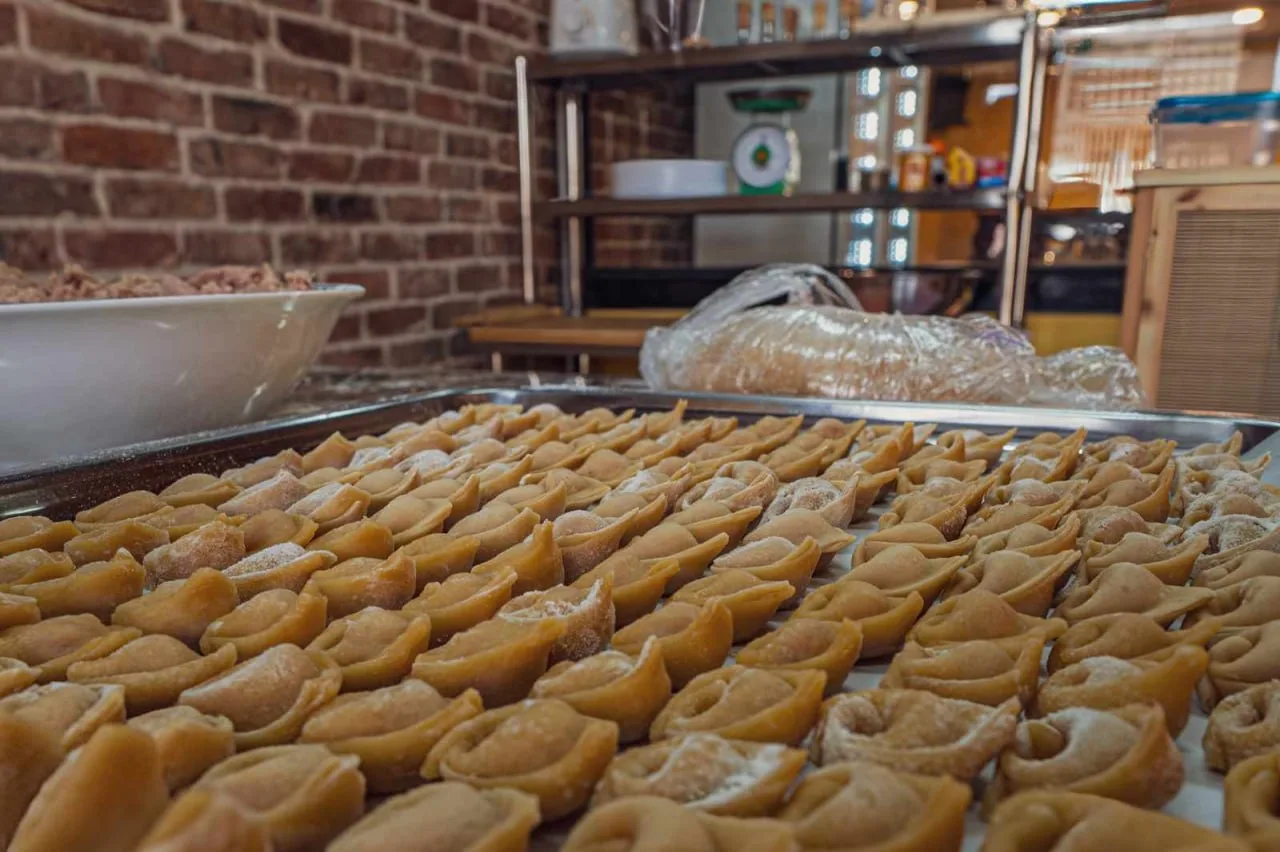
Pasta Fresca (14 Street 23) is less a restaurant than a fresh pasta shop with a small dining room attached, and that distinction is the entire point. The pasta is rolled and cut daily on-site, sold for dine-in, takeaway or home delivery, and the Italian owner runs the place with the informality of a home kitchen: counter seating, a concise core menu supplemented by regular specials built around whatever seasonal ingredients are available that week. The lasagna has built a loyal following of its own, and the pasta quality is widely held to be close to what you would eat in Italy itself, which is a higher bar than most Phnom Penh Italian kitchens are measured against.
Spinach and ricotta ravioli, pumpkin ravioli and a tagliatelle with meat ragu round out the regular menu, and the kitchen accommodates vegan, vegetarian and gluten-free diners more readily than most of its competitors on this list. At ten to twenty dollars with a drink, the pricing reflects the quality of the pasta rather than any pretension in the room itself, which stays modest throughout. Seating is limited, so a reservation is worth making to avoid disappointment: this is the address for someone who wants the best plate of pasta in the city and is willing to plan a little ahead for it.
Limoncello Pizzeria & Restaurant
Limoncello Pizzeria & Restaurant (264 Samdach Phuong Street) trades on authentic Southern Italian hospitality and a rustic, lived-in ambiance that has held up over years of service. Wood-fired pizzas with a proper Neapolitan-style crust are the anchor: the Margherita is the obvious benchmark, but the Pizza Napoli, built on salty, savoury anchovies, is the one regulars steer newcomers toward once they have proven they can handle it. The Prosciutto & Funghi pizza covers the other end of the spectrum for anyone less inclined toward anchovies, and the kitchen pushes well beyond pizzeria standard with its antipasti and mains: the Carpaccio di Manzo (beef carpaccio) and the Filetto di Tonno Rosso Grigliato (grilled tuna fillet with a black olive sauce) are the standout plates, with the porchetta and the Tagliata di Manzo (sliced grilled beef) rounding out a kitchen that takes its meat and fish as seriously as its dough.
The quality of the food, the reasonable pricing, and a cosy, inviting atmosphere consistently stand out, working for everything from a casual weeknight dinner to a longer evening with wine. A genuinely good wine list backs the food, and in that same ten-to-twenty band, Limoncello sits in the middle of the category: pricier than Trattoria Bello or Genova, but more accessible than the hotel kitchens on this list. Open daily for lunch and dinner, it remains one of the more dependable bookings for a group that cannot agree on pizza versus a heavier Italian meal.
Practical FAQs
Do you need a reservation on weekends? For Bistro Romano, La Volpaia, DO FORNI and Pasta Fresca, yes: Pasta Fresca's seating is especially limited given its small dining room, and the other three see consistent weekend demand that leaves walk-ins risking a wait or no table at peak dinner hours. Il Forno and Trattoria Bello are more forgiving for walk-ins outside of Friday and Saturday evenings, though arriving early still helps.
What does a good pizza cost in Phnom Penh? A wood-fired pizza at a serious Italian kitchen (Il Forno, Genova Trattoria, Limoncello) typically runs in the nine-to-eighteen-dollar range depending on toppings, putting most meals for two with drinks somewhere between twenty-five and fifty dollars. Hotel-restaurant pricing at DO FORNI or La Volpaia's full menu runs noticeably higher.
Is Phnom Penh's Italian food actually authentic, or is it adapted for local tastes? Authentic, overwhelmingly. Every restaurant on this list keeps closely to Italian technique (wood-fired ovens, handmade pasta, and traditional regional dishes that run from Roman cooking at DO FORNI and Bistro Romano to Genoese and Southern Italian elsewhere) and the city's Italian kitchens are generally well served by direct imports of Italian salumi, formaggi and other staples rather than relying on local substitutes. The clearest tells of a serious kitchen are pasta made in-house and a chef who actually knows the regional dish being cooked; by that measure, the nine here are the real thing. The one thing to set expectations on is format: a hotel dining room like DO FORNI or Bistro Romano is a different evening from a shop-front trattoria like Genova or Pasta Fresca, even when the cooking is equally serious.