The Best Khmer Food in Phnom Penh Right Now
From a corner noodle shop that has been open since 1992 to a fine-dining kitchen with an all-female team and a monthly-changing menu, here is where to eat Cambodian food in Phnom Penh, and what to order when you get there.
The argument about where to find the best Khmer food in Phnom Penh is a permanent one, and the people who win it tend to be the ones who have been eating through the city long enough to hold opinions about the difference between a restaurant and a kitchen. The city's Cambodian food scene covers a wider range than most visitors expect: from the early-morning noodle soup counters on Street 13, where the work starts before five in the morning and the broths are built on hours of accumulated flavour, to contemporary fine-dining operations that apply international technique to ingredients sourced directly from Cambodian farmers and fishermen. Both ends of this range matter. Here is a guide to the full width of it.
The Classics
Malis (136 Norodom Boulevard) opened in 2004 under the hand of Master Chef Luu Meng, and two decades of operation has not diminished its authority as the reference point for royal Khmer cooking in the city. The menu runs the canon with care: fish amok steamed in coconut curry custard, prahok ktis (the fermented fish dip with pork and kaffir lime that is one of those dishes that rewards patience), samlor kako (the Khmer green vegetable stew), num banh chok with green fish gravy. Farm-sourced Cambodian ingredients, a garden setting that earns its own column in the description, and a kitchen that treats tradition as a living thing rather than a museum piece. Nearly eighteen hundred reviews confirm what the regulars would tell you anyway.
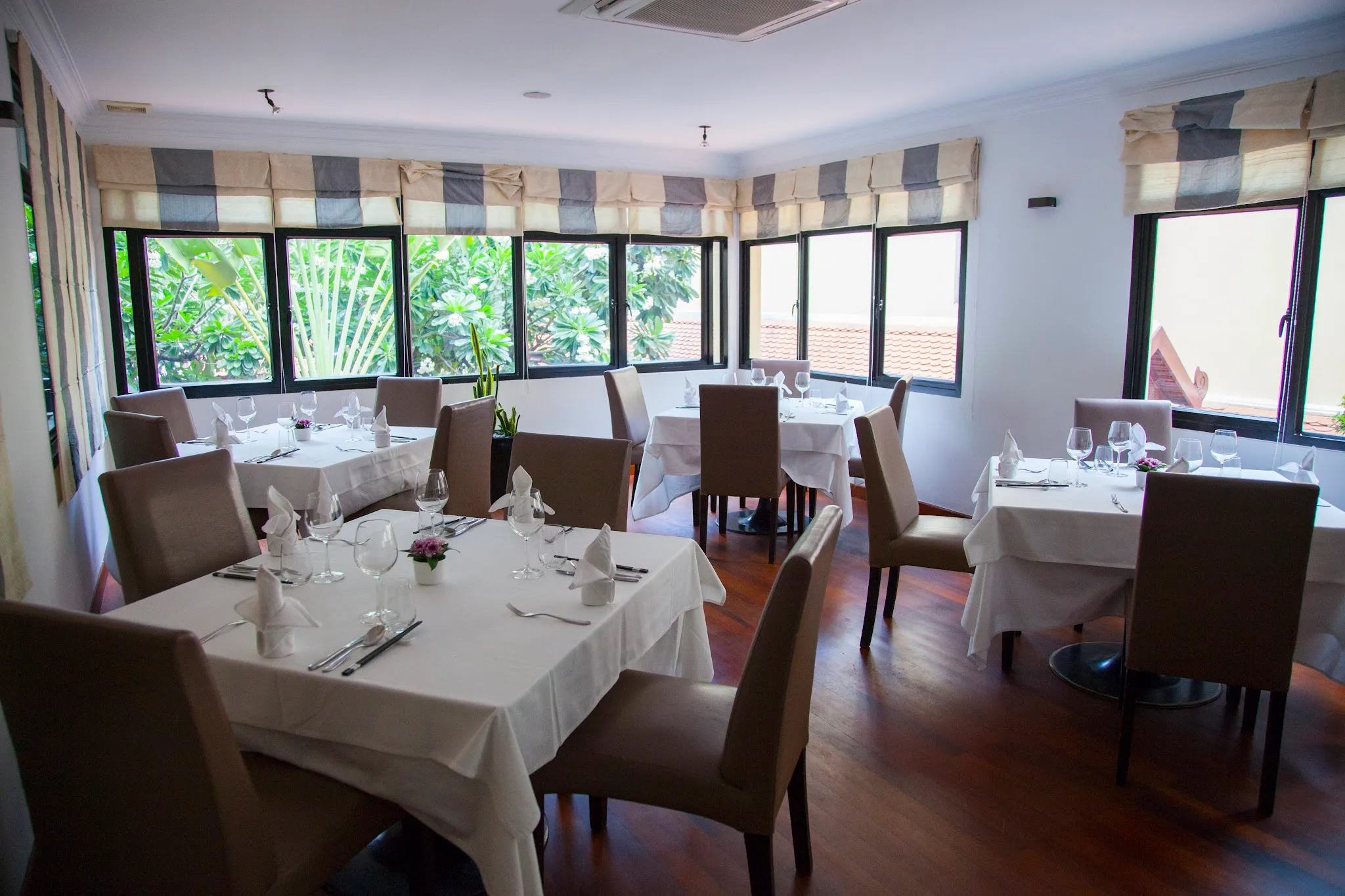
The formulation changes at Eleven One Kitchen (Street 334, BKK1), a kitchen that grows its vegetables on the rooftop, avoids MSG, and uses only biodegradable packaging, which sounds like a manifesto but is actually just the operating philosophy of a restaurant that takes its sourcing seriously. The amok trey comes steamed in banana leaves in the traditional manner, the beef lok lak with the lime-pepper dipping sauce is as well-executed as anywhere in the neighbourhood, and the weekly-changing specials draw on whatever the garden and the market have produced. A second branch operates in Toul Tom Poung on Street 460 with the same approach and an equally loyal crowd.
Kravanh Restaurant (74 Street 174, Chey Chumneas) has been running since 2009 on a sourcing philosophy that predates the language the industry now uses for it: the founder built direct relationships with small-batch producers, fishermen, and growers across Cambodia before "farm-to-table" became a useful piece of marketing copy. The fish amok, the Khmer curry, the larb, and the grilled meats with traditional sauces reflect that provenance in a way that the ingredients cannot hide. Seven hundred and thirty reviews at 4.6 stars is a track record that speaks before the menu does.
The Neighbourhood Institutions
126 Restaurant (#126 Street 13, corner Street 136, Phsar Kandal) has been operating from the same corner since 1992, which means it has been cooking longer than most of its customers have been alive. The kitchen builds its day around noodle soups (particularly the beef kuy teav and the Khmer-style pork noodle soup) in broths that reward the attention of someone who knows what they are doing with the condiments lined up at the table. It opens before five in the morning and hits full pace long before the lunch crowd arrives. The price is under five dollars. Everything you need to know is in that sentence.
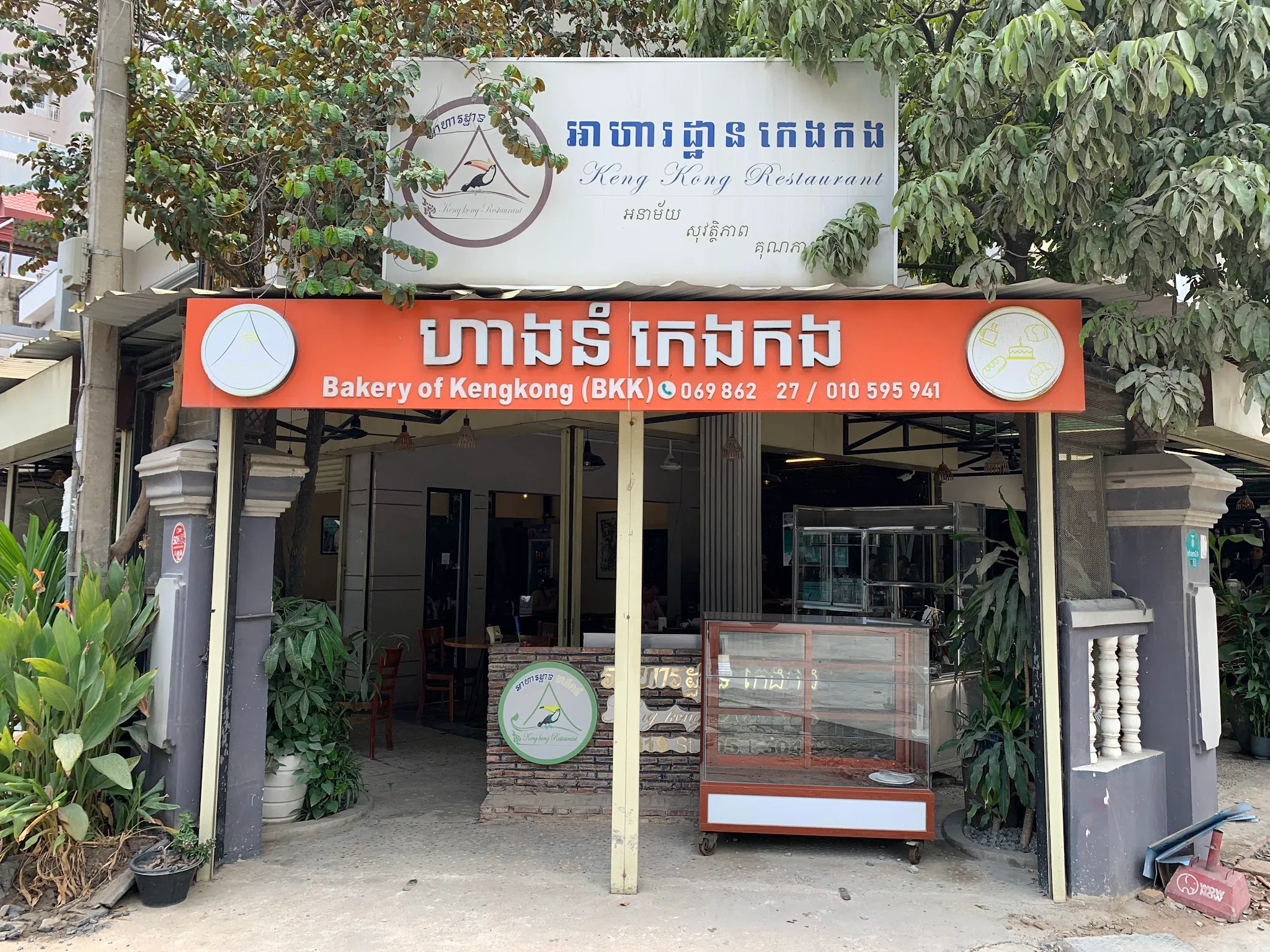
Kengkong Restaurant (#119 Street 105, Phnom Penh) has earned a 4.8-star rating with nearly five hundred reviews, a number that reflects something genuine about what the kitchen is doing. The fish amok and beef lok lak are the reference dishes, but the stir-fried kengkong (water spinach, which gives the restaurant its name) cooked simply with garlic and fish sauce, is the kind of dish that earns the trust of a city's regular crowd more reliably than anything more elaborate. The warmth of the room matches the food: this is a neighbourhood place that happens to cook very well.
Phnom Penh Three Rivers Restaurant (164 Street 13, near the riverside) runs at 4.9 stars across over seven hundred reviews, an average that has held at that level long enough to mean something. The family-run kitchen produces beef lok lak with lime-pepper dipping sauce, fish amok in coconut milk, and sweet-and-sour deep-fried fish with the consistency of a restaurant that has been doing the same things well for long enough to stop second-guessing them. The warm hospitality and the small complimentary touches that reviewers note regularly are the other part of what a family kitchen can offer that a more formal operation cannot always replicate.
The Special-Occasion Addresses
Sombok Restaurant (No. 1 Street 154, Preah Sisowath Quay) is the riverside's most interesting Khmer kitchen: a genuine fine-dining operation led by internationally trained chef Kimsan Pol, with an entirely female team, a monthly-changing menu built on locally sourced and chemical-free produce, and an interior designed by Cambodian architect Kimseng Ouk that features an original installation woven from Khmer golden silk. The set menu is the way to experience the kitchen properly; the à la carte spans fragrant Khmer curries, grilled meats with Cambodian spice rubs, and desserts that take the country's ingredients in a direction that the broader menu does not always permit. For a Cambodian meal where the intention is to show someone what the cuisine is capable of at its most considered, Sombok is the answer.
Romdeng (35 Street 240, corner Street 55) earns its place here for a different reason than Sombok. It occupies a clean, colonial-style villa on the corner of Street 240 and Street 55, pairing indoor air-conditioned rooms with a lush outdoor garden where soft Khmer music carries through the evening. The kitchen turns out affordable, authentic Cambodian cooking, and the welcoming young team draws an easy mix of locals and visitors, the relaxed, mid-range counterpoint to the formality above it. The garden setting handles a long evening particularly well.
The Crowd Favourite
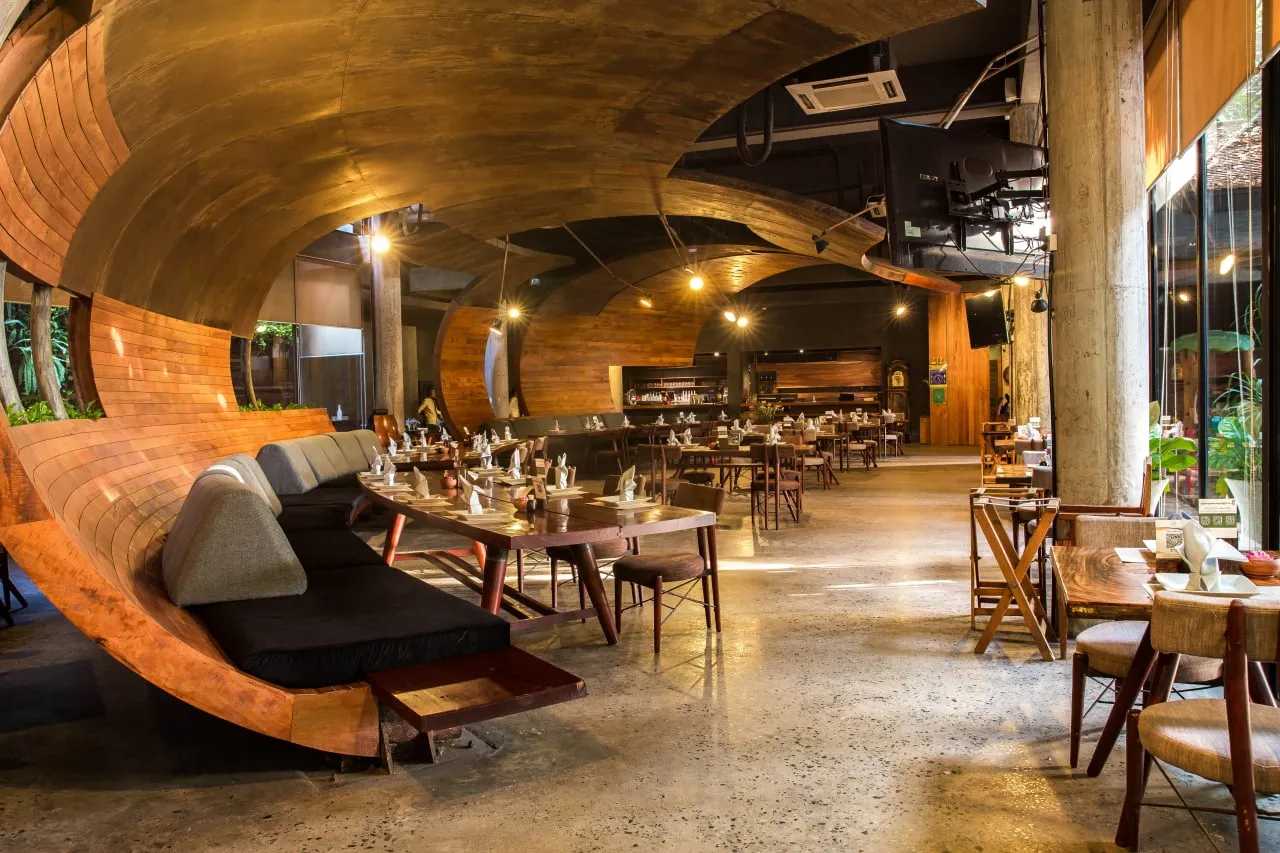
One More Restaurant (37 Street 315, Toul Kork) opened in 2008 and has spent the years since building the kind of following that fills its dining room with families, tour groups, and business lunches simultaneously, nearly fourteen hundred reviews at 4.3 stars from a Toul Kork address that most restaurant guides reach last. The kitchen runs authentic Khmer cuisine in an elegant traditional-meets-modern setting: prawn amok steamed in a coconut shell, lot cha (stir-fried glass noodles with egg and vegetables), pineapple fried rice in the fruit. The format is designed for groups, the air conditioning works, and the menu is extensive enough to accommodate the full range of what Cambodian cooking offers at a single table.
What to Order
The three dishes that appear on almost every menu and allow comparison across kitchens: fish amok, Cambodia's national dish, steamed fish in coconut curry custard, which in a good kitchen is silky and fragrant and in a bad one is dense and sweet; beef lok lak, stir-fried beef with a lime, salt and black pepper dipping sauce that is served with a fried egg on rice, and whose quality depends entirely on the beef; and kuy teav, the morning noodle soup, which is the one to order at 126 at seven in the morning and not at a restaurant trying to be everything at all hours.
Beyond those three: saraman curry, the Khmer-Muslim slow-cooked beef curry with peanuts and warming spices that is worth seeking out wherever a kitchen takes it seriously; num banh chok, rice noodles with green fish gravy, which is the Cambodian breakfast that most visitors never find because it is over by mid-morning; and prahok ktis, the fermented fish dip that is the dish most likely to be described by the person next to you as an acquired taste and by the person at Malis as indispensable.
There is a version of Cambodian food in Phnom Penh that is designed to be explained, and there is a version that is simply cooking. The restaurants on this list cover both registers. The eating that will stay with you tends to be the second kind: the bowl of noodle soup at six in the morning on Street 13, or a fragrant Khmer curry at a quiet garden table on an evening when the city goes still. Those meals do not need context. They need only appetite.
Browse every Khmer restaurant in Phnom Penh on BongNham, or read our neighbourhood guides to Daun Penh and Riverside. To eat your way through it, follow the one-day Phnom Penh itinerary, or head out to the provincial river town and the fields at Choeung Ek with South of the City.