Eating Healthy in Phnom Penh: Whole Food, Plant-Based Plates and Cold-Pressed Juice
Phnom Penh has quietly built one of the region's more serious healthy-eating scenes, from organic garden kitchens under a jackfruit tree to cold-pressed juice made entirely from Cambodian fruit. Here is where to eat well when you want to eat clean.
There is an assumption, common among first-time visitors, that eating healthy in a tropical Southeast Asian capital means a diet of white rice, fried noodles and sugar-laden iced coffee. It is an easy mistake to make from the back of a tuk-tuk, watching the fried-chicken stalls and the condensed-milk shakes go past. It is also wrong. Traditional Khmer cooking is built on fresh herbs, raw vegetables, river fish and clear sour broths, and much of it is lighter and greener than a cursory glance suggests. The kroeung that flavours a curry is a paste of lemongrass, galangal, turmeric and kaffir lime. A plate of everyday Cambodian food often arrives with a fistful of fresh basil, cucumber or pickles on the side.
On top of that older foundation, Phnom Penh has grown a genuinely modern wellness scene over the past decade. Organic farms in Kandal and beyond now supply certified chemical-free produce to a cluster of garden kitchens. Plant-based cooking has moved well past the token salad and into fine dining. Juice bars press whole Cambodian fruit to order rather than reaching for syrup. The city has quietly become a place where you can eat clean for a week without repeating yourself or resorting to sad desk salads.
What follows is not a diet plan. It is a guide to where the food is good and the sourcing is honest, organised by the way you are most likely to want to eat: whole-food cafes, plant-based tables, the long-running Khmer vegetarian institutions, a proper salad lunch, and the juice bars worth crossing town for.
Farm to Table: The Whole-Food Cafes
The clearest expression of Phnom Penh's healthy-eating turn is a small group of whole-food cafes that treat sourcing as the whole point. Farm To Table (16 Street 360) is the one that set the template. It is an open-air restaurant and community garden built around a giant jackfruit tree, with a working vegetable patch, a water-refill station and an eco shop on the premises. The kitchen partners with local organic farms for certified chemical-free produce, and the menu runs to seasonal grain and vegetable bowls, organic green salads, fresh-pressed juices and a lentil burger for the plant-based crowd, with grass-fed beef burgers and a handful of chicken dishes covering the carnivores. The garden setting makes it one of the more pleasant places in the city to spend a slow, unhurried breakfast, and the kid-friendly layout means families treat it as a weekend fixture.
A short way north, on the café-lined stretch of Street 240, Backyard Cafe (32E Street 240) has become the address most people name first when the conversation turns to health food. It is plant-forward rather than strictly vegetarian, cooking from locally sourced, organic and unprocessed ingredients across flexitarian, vegan and gluten-free lines. The smoothie bowls and fresh juices are the draw, but the kitchen is more ambitious than that suggests: house-fermented pickles, raw cacao and coconut cake, ginger turmeric tea, and a vegan burger that has earned a following of its own. Set in a modern, spacious interior on the ground floor of the Penh House hotel, it opens from seven in the morning, which makes it a dependable first stop of the day.
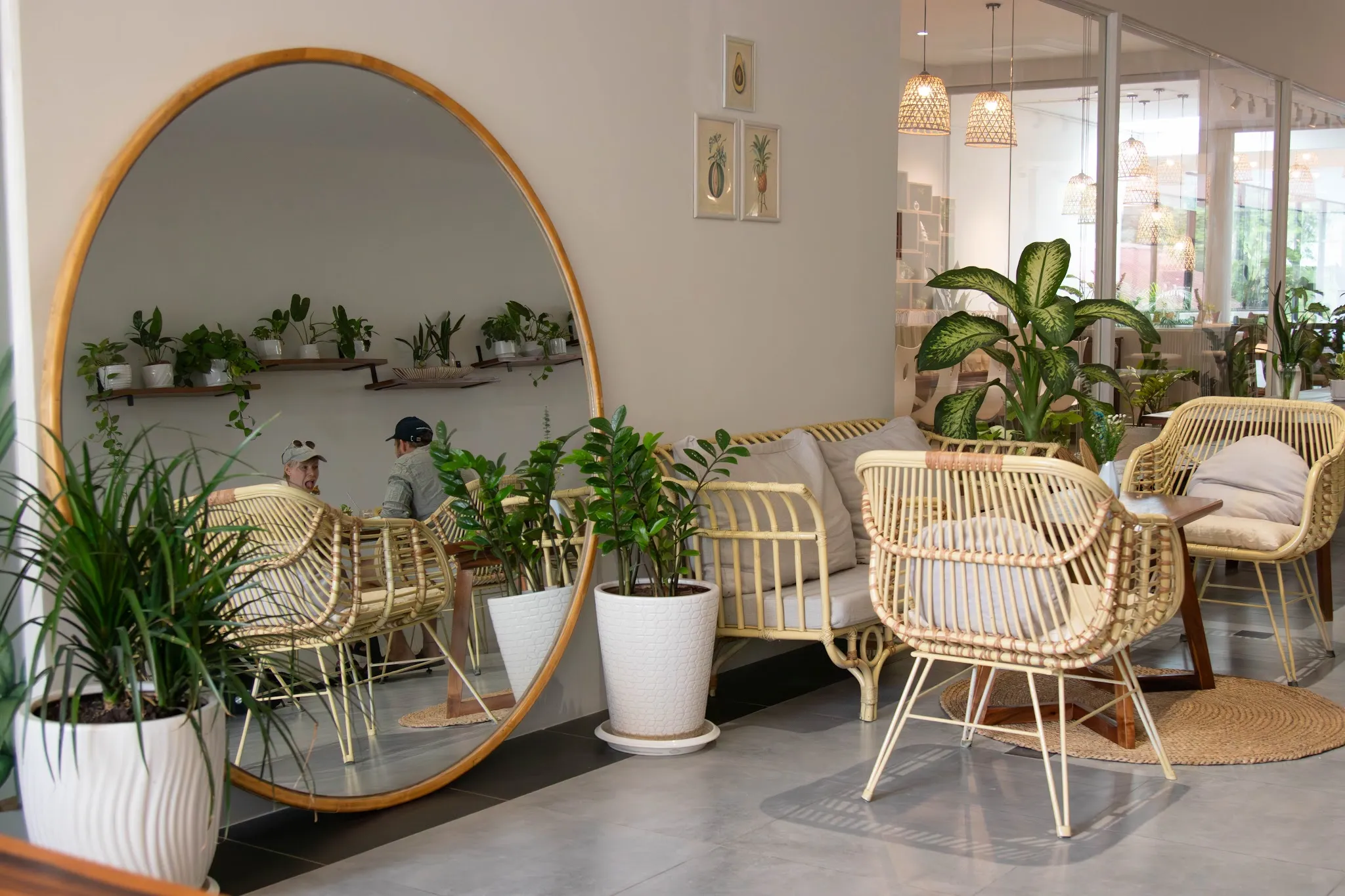
Further along the same street toward Norodom Boulevard, Enso Cafe (50B Street 240) comes at wholesome from the specialty-coffee and brunch direction. It is a contemporary, Melbourne-style cafe, spacious and work-friendly, brewing Feel Good Coffee beans with house-made cashew milk as its dairy alternative. The menu runs a broad brunch range and caters to hearty Western tastes as much as anything, but its healthier end is genuinely worth ordering from: a vegan eggplant lasagne, a farmers market stew, quinoa porridge, and avocado on sourdough with poached eggs for those who want them. Reliable Wi-Fi and a good-value set lunch make it one of the better places in the neighbourhood to sit out the midday heat with a laptop and a good coffee.
The Plant-Based Table
Phnom Penh's vegan and vegetarian cooking has moved a long way from the days when going meat-free meant asking the kitchen to leave things out. The city now supports a spread of plant-based and plant-friendly kitchens, ranging from the social and cheap to the quietly ambitious.
The PLACE (Street 310) proves that plant-based need not mean expensive or earnest. It is not a strictly vegan kitchen — the menu runs from fish amok and beef lok lak to a creamy mushroom pasta — but this vibrant garden-style venue makes a genuine point of its vegetarian and vegan selections, and does it at some of the friendliest prices in the section. The setting is the draw: a lush outdoor garden in the middle of the city, a full bar, and an all-day kitchen that runs from seven in the morning through to eleven at night, which makes it as easy to drop into for a mid-morning avocado toast as for an evening plate and a drink. For a plant-based diner who wants somewhere social and unfussy rather than rigidly meat-free, it is one of the more relaxed addresses in town.
Out on Street 830, Bong Bonlai (13A Street 830) carries a name that translates as Brother Vegetable, which tells you everything about its intentions. It is a fully vegan kitchen set in a large outdoor garden, with a menu that swings comfortably between a Mediterranean mezze platter, falafel wraps and moussaka on one side and a pumpkin and mushroom amok that reworks the Khmer classic without any of the fish on the other. The garden setting and the family-friendly, community feel make it a place people linger.
Near the Russian Market, Sacred Lotus (127C Street 440) folds a fully vegan cafe into a hostel, which gives it a steady, easy-going traveller crowd and a genuinely relaxed atmosphere. The kitchen mixes Western comfort food with Khmer-inspired vegan curries, rice porridge and generous plates of fried rice, and the mango lassi and chai latte have their regulars. It is affordable, unfussy and exactly the kind of place that turns a curious meat-eater into an occasional plant-based diner.
The Khmer Vegetarian Institutions
Long before wellness became a marketing category, Phnom Penh had a quiet network of Chinese-Cambodian vegetarian kitchens serving the Buddhist community, and they remain some of the best value in the city. Surn Yi (Street 184) has been at it since 1998, which in this field counts for a great deal. The menu is long and almost entirely plant-based, with vegan and vegetarian items clearly marked, and most dishes land somewhere between seventy-five cents and three dollars. The mock-meat cooking is the speciality: braised gluten patties, vegan drumsticks, black pepper fried noodles and a thick mushroom soup that keeps both local vegetarians and visiting vegans coming back.
A little to the north, Evergreen (Street 118) runs a hundred-percent vegetarian menu across Cambodian and pan-Asian dishes, built on mock meats, tofu and fresh vegetables. The rice set meals, which arrive with soup and a drink, are the everyday order, and the whole thing is priced for people who eat here often rather than occasionally. Two practical notes: it closes for a break in the middle of the afternoon, and it is cash only, so come prepared.
Salads and the Fast Healthy Lunch
Sometimes eating well is simply a question of a good salad made properly, and for that Gerbie's Salad & Sandwich (78 Rue Pasteur, Street 51) is the original and still the benchmark. Established in 2014 as Phnom Penh's first proper salad and sandwich shop, it prepares its cold and warm salads fresh daily and keeps nothing overnight, which is a genuinely meaningful policy in this climate and one the kitchen is happy to tell you about. The surf and turf warm salad, the crispy squid salad and the chicken avocado salad are the standouts, alongside baguette sandwiches and paninis for anyone who wants something more substantial. It is built for the health-conscious office worker who wants a quick, fresh lunch without a compromise, and it does that job better than anywhere else in the city.
Juice, Smoothies and Acai
The final pillar of eating healthy in Phnom Penh is what you drink, and the city's juice culture has grown sharp enough to reward some discernment. The most serious operator is PHNOM Juice (Rue Pasteur, Langka Lane), a cold-pressed brand built on a strict no-sugar, no-additive, no-artificial-colour promise, using whole Cambodian fruit and supporting local farmers in the process. The green vegetable juices and seasonal tropical blends are the point. It runs mainly on weekday delivery with a weekend stall, so it rewards a little planning rather than a walk-in.
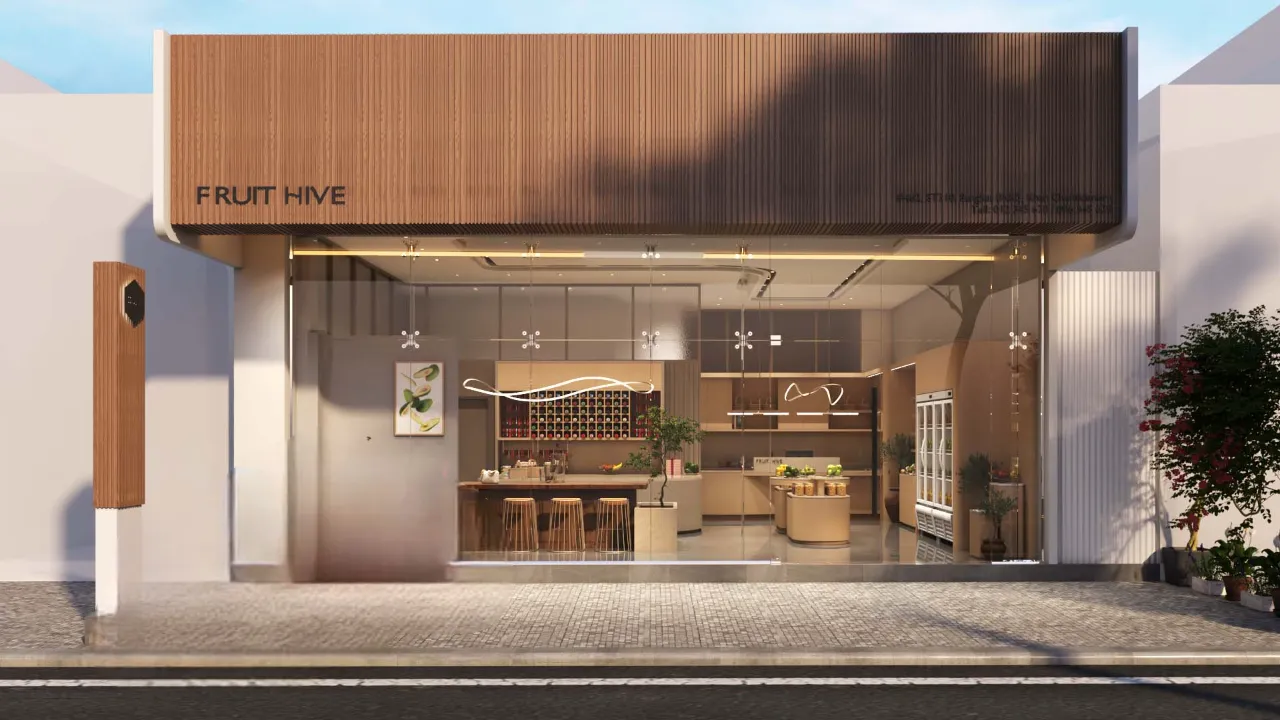
For smoothie bowls and something to sit down with, Fruit Hive BKK (462 Street 310) specialises in fresh tropical fruit and juices, with a mango smoothie bowl, a tropical acai bowl and a dragon fruit detox juice among the regular orders. Go Fresh Juice (422 Street 271) takes a similar grab-and-go approach, with freshly pressed juices, power smoothies and wholesome bowls built around detox greens and vitamin blends, useful when you want something quick and genuinely nutritious rather than a milkshake in disguise.
For consistency and long hours, the Australian chain Boost Juice (Street 155, Toul Tom Poung) does what it does everywhere: reliable fruit smoothies and juices with a nutritional bent, open late and easy to order, with protein and green-tea options for those tracking what goes in. Over on Street 337, Sai Berry stakes a specific claim as Phnom Penh's first acai swirl, and the acai bowls are the reason to seek it out. And on the west side of the Russian Market, Fresh & Safe lives up to its motto of lighting up your healthiness with clean, budget fruit shakes and hygienic street snacks, the kind of no-frills stop that becomes a market-day habit.
Tips for Eating Healthy in Phnom Penh
Look for the sourcing claim. The cafes worth trusting are specific about where their food comes from: certified organic farms, chemical-free produce, whole fruit with no added sugar. Vague promises of "fresh" and "healthy" mean less than a named farm or a stated policy. The best kitchens here will tell you exactly what they do.
Khmer food is healthier than it looks. You do not have to eat at a dedicated health cafe to eat well. A traditional Khmer meal built around a sour soup, grilled fish and raw herb garnishes is light, fresh and balanced. Ask for extra vegetables and go easy on the fried extras and you are most of the way there.
Check the hours before you commit. Several of the best addresses keep particular schedules. The Khmer vegetarian spots often shut for a midday rest, and PHNOM Juice leans on weekday delivery. A quick check saves a wasted tuk-tuk.
Carry cash for the local end. The garden cafes and juice bars generally take card and ABA Pay, but the long-running Khmer vegetarian institutions and the market stalls tend to run on cash. Keep a few dollars or some riel on you for those.
Beat the heat with a bowl, not a fry-up. Between eleven and three the city bakes, and a smoothie bowl, an acai swirl or a cold-pressed juice is a far better midday move than anything hot and heavy. The juice bars come into their own precisely when the temperature does.
Eating healthy in Phnom Penh is not the uphill struggle its reputation might suggest. Between the organic garden kitchens, a plant-based scene that now reaches genuine fine dining, the vegetarian institutions that have been quietly feeding the city since the nineties, and juice bars that press real Cambodian fruit rather than reaching for the syrup bottle, the choice is wide and the quality is high. The city rewards the diner who looks past the fried-chicken strip and the condensed-milk shake. Spend a few days eating your way through the list above, from a bowl under the jackfruit tree at Farm To Table to a plate of mock-meat noodles at a counter that has been open since 1998, and you will find that eating well here is one of the easier pleasures Phnom Penh offers.
Cover photo: Farm To Table, Phnom Penh