The Vegetarian & Vegan Guide to Eating in Phnom Penh
Phnom Penh's plant-based eating scene spans a twenty-five-year-old Chinese-Cambodian vegetarian institution, a vegan garden kitchen reinventing Khmer amok, and a dosa kitchen that has built one of the most devoted followings on Sothearos Boulevard. Here is where to eat without meat, and eat well.
Phnom Penh's default culinary register is built around fish paste, fermented shrimp, and grilled meats, so the assumption that vegetarians and vegans will struggle here persists well past the point where the city has earned a different reputation. The truth, as of 2026, is that the plant-based eating scene in Phnom Penh is more varied and more considered than in many cities that wear the label more loudly. There are dedicated vegetarian restaurants that have been operating for over twenty-five years. There are South Indian kitchens where the menu is entirely vegetarian by design. There are cafés where the vegan option is not a substitution but the actual point. And there are mainstream restaurants across BKK1, Toul Tom Poung, and the riverside where the vegetable dishes are good enough to make ordering around the fish and meat irrelevant. This guide covers the full range.
The Dedicated Kitchens
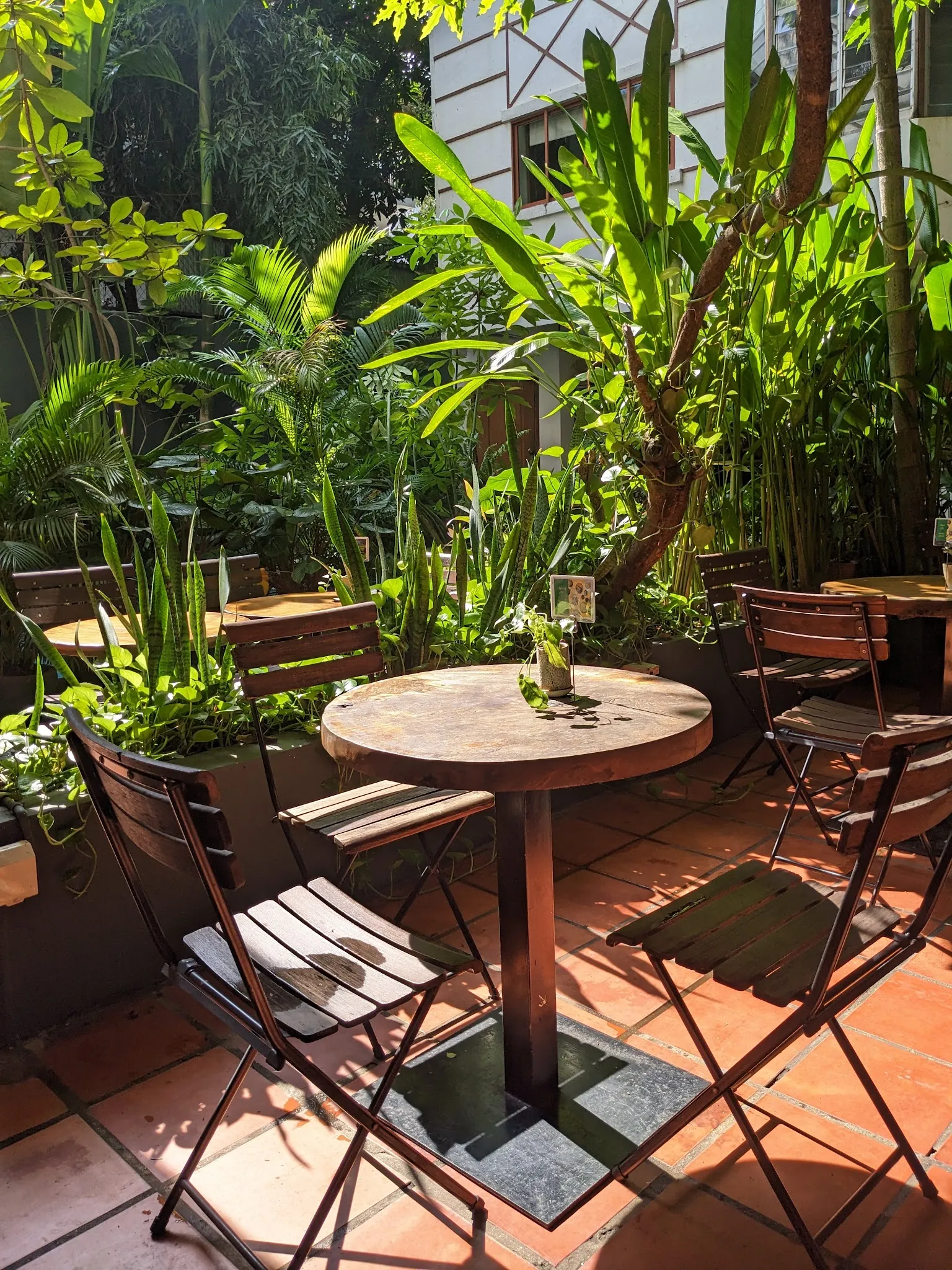
Bong Bonlai (whose name translates from Khmer as "Brother Vegetable") is the most ambitious dedicated plant-based kitchen in the city, working from a large outdoor garden setting that covers far more territory than its size suggests. The menu ranges well beyond the usual salads: mezze platters, falafel wraps, a properly built moussaka, and a pumpkin and mushroom amok that adapts one of the Khmer kitchen's most important dishes without losing what makes it worth eating. It is a fully vegan operation run by people who plainly care about the cooking rather than the label, and it rewards a proper sit-down meal rather than a quick stop.
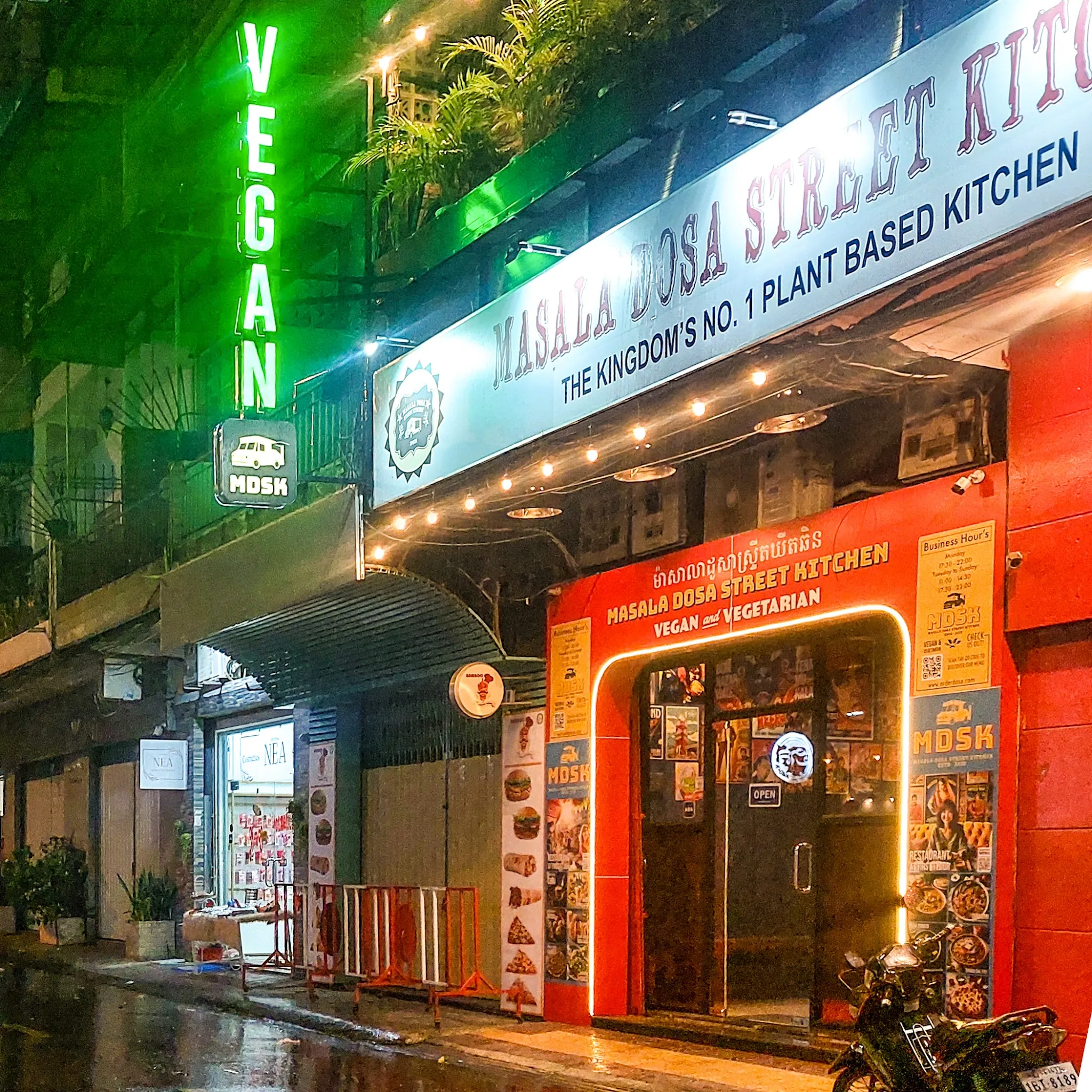
Masala Dosa Street Kitchen (Ground Floor, 6G Sothearos Boulevard) has built one of the most devoted followings of any restaurant on the boulevard by doing one thing with complete commitment: South Indian dosas, served thin and crisped to order with chutneys and sambar that are made properly rather than approximated. The menu is 100% vegetarian and largely vegan: the range extends to a spinach and corn dosa, an eryngii mushroom and coconut cream variation, and samosas with mint chutney alongside the classics. Women-owned and community-focused, it has been operating since 2018 and has earned nearly seven hundred reviews at 4.7 stars. For the purposes of this guide, it is the single most useful lunch address for a vegetarian who is eating across the city and needs one reliable reference point.
Surn Yi (Street 184, Chey Chumneas) has been running since 1998 (making it one of the longest-operating vegetarian restaurants in Phnom Penh) and the pricing tells you everything about the register: most items run between seventy-five cents and three dollars. The kitchen is Chinese-Cambodian in character, with mock meats, tofu, and fresh vegetables doing the work: black pepper fried noodles, thick mushroom soup, vegan dumplings, pineapple fried rice. Items are clearly marked vegan or vegetarian. It is the kind of place that a local who has been eating plant-based food in this city for twenty years goes to on a Tuesday when they want something honest and affordable. Cash only; opens at 7:30am.
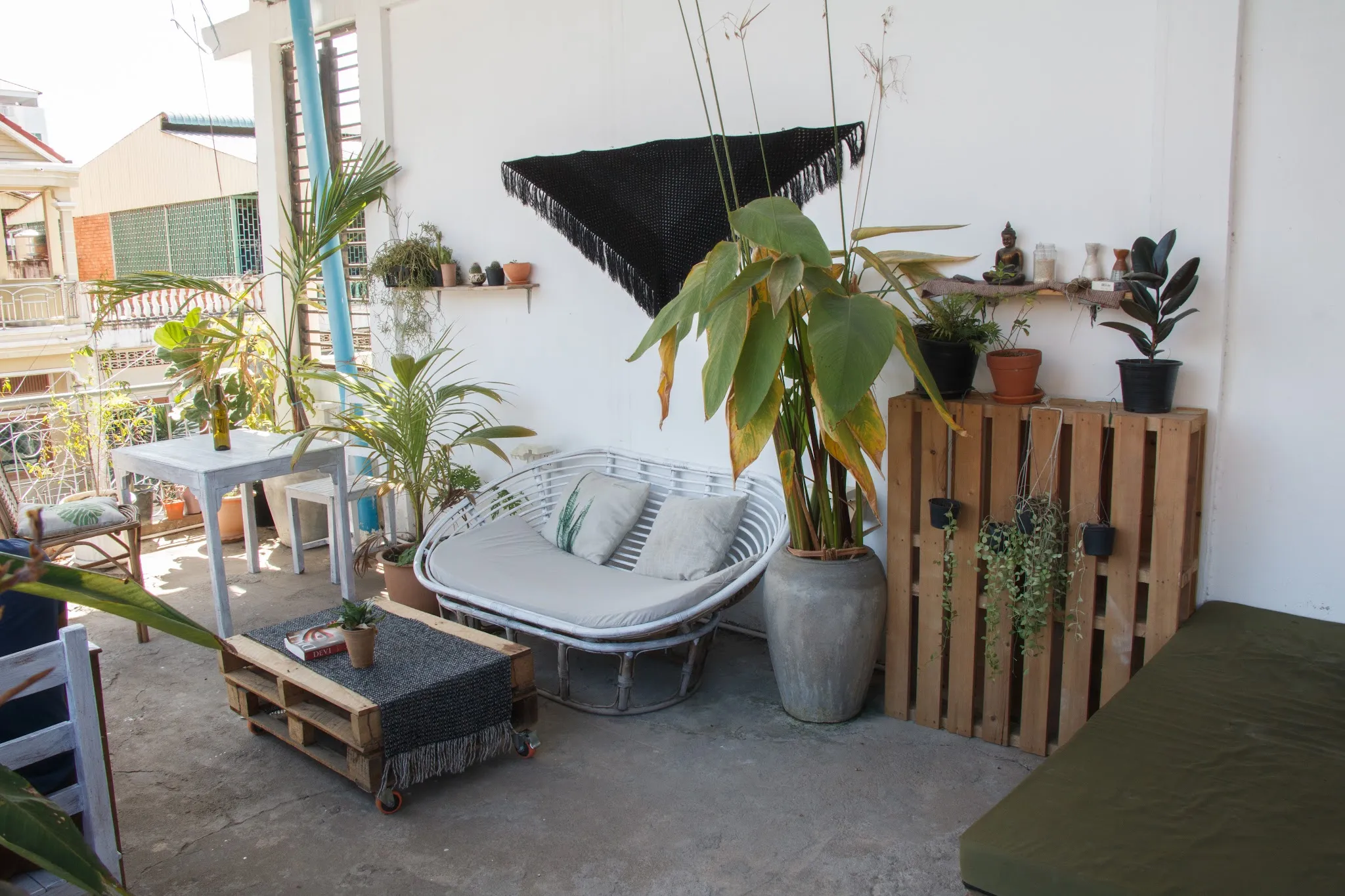
Sacred Lotus (127C Street 440, Toul Tompong II) carries the dedicated-vegan flag over near the Russian Market: a fully plant-based café, restaurant, and hostel rolled into one, open from seven in the morning until nine at night. The kitchen runs Western and Khmer vegan comfort food in generous portions: vegan rice porridge, fried rice, a rotating line of Khmer-inspired curries, and drinks like a mango lassi or a chai latte. For anyone eating plant-based around Toul Tom Poung, it is the obvious anchor.
The Indian Kitchens
The overlap between Phnom Penh's Indian restaurant scene and the city's vegetarian eating options is so significant that it deserves its own section. South Asian cooking carries a tradition of vegetarian cooking that runs deeper than any Western plant-based menu, and several kitchens in the city are operating from within that tradition with real conviction.
SWAGAT Indian Restaurant (33 Street 288) runs masala dosas from a South Indian breakfast through to butter chicken and paneer tikka masala at dinner, and the vegetarian side of the menu is as considered as the non-vegetarian. Nearly seven hundred reviews at 4.8 stars is the kind of average that reflects consistency over years rather than a good run of recent visits. The garlic naan alone makes the trip worthwhile; combined with a dal makhani or a kadai paneer, it is one of the better vegetarian meals you will find in any neighbourhood in the city.
Haveli Indian Restaurant (19 Street 282) has been running since 2017 with a menu that explicitly lists vegetarian thalis alongside the biryanis and tandoori plates, in a room designed for a proper evening rather than a quick meal. The cosy, inclusive atmosphere that its reviews consistently note is not an accident of décor: it reflects a kitchen that takes the full range of its menu seriously. Vegan options available alongside the vegetarian; halal-certified.
Namaste India Restaurant (#15 Street 308, Tonle Bassac) is the Indian kitchen that comes up most often in city-wide conversations about the best plant-based eating in Phnom Penh. The palak paneer, the chana masala, and the full vegetarian thali are the dishes that regulars cite, and nearly a thousand reviews at 4.6 stars across years of service is the evidence that the kitchen has earned the reputation it carries.
The Cafés and All-Day Options
Backyard Cafe (32E Street 240, near the Royal Palace) runs explicitly plant-forward: the menu spans flexitarian, vegan, vegetarian, and gluten-free options in a relaxed outdoor garden setting where the ingredients come from local organic and unprocessed sources. The ultimate vegan burger, the green smoothie bowl, the raw cacao and coconut cake, and the house-fermented pickles reflect a kitchen that has thought about what it is doing rather than simply removing the meat from existing dishes. Nearly a thousand reviews at 4.5 stars for a street-240 café. Open from 7am.
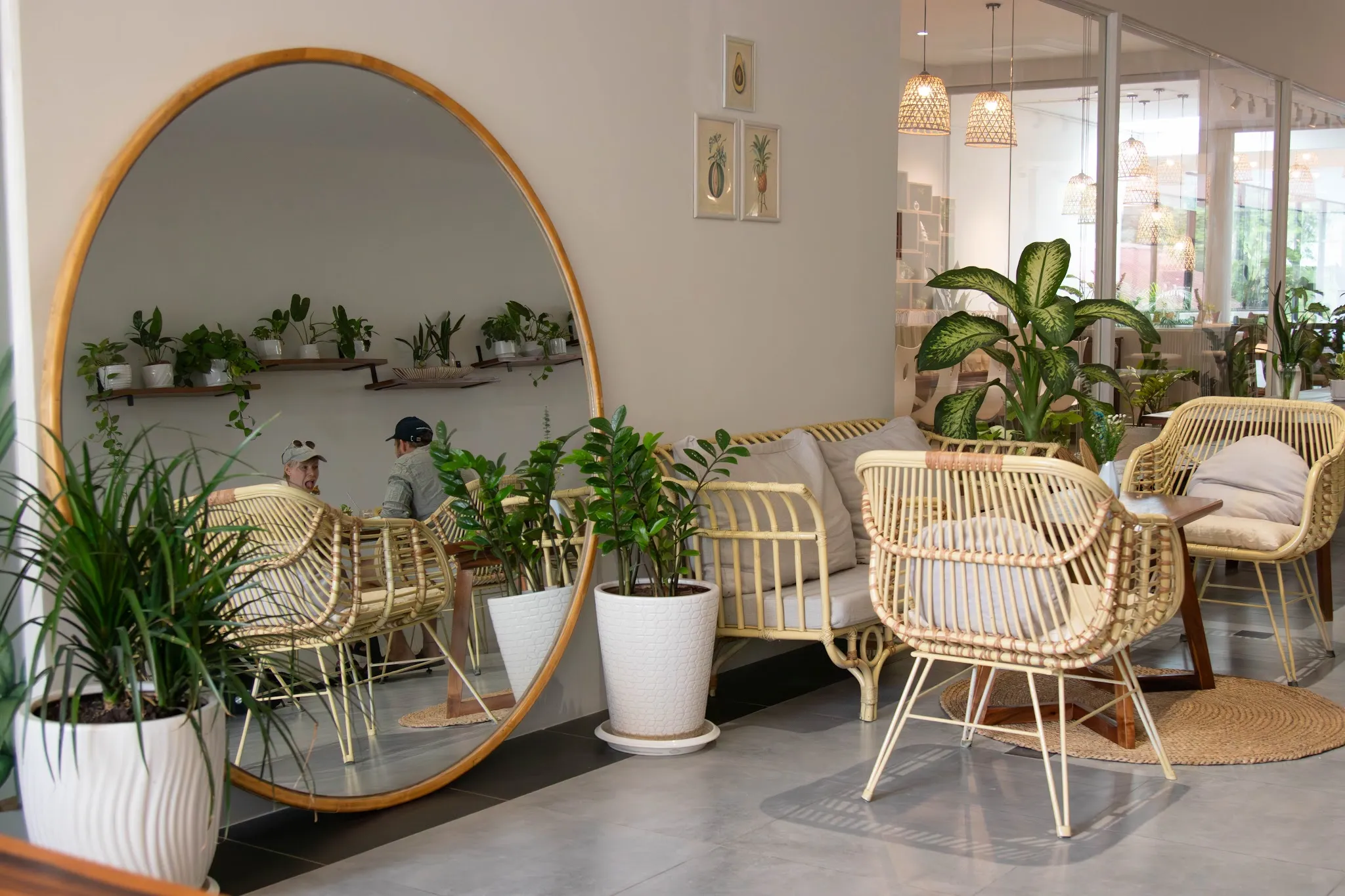
Enso Cafe (50B Street 240) operates nearby with a specialty coffee programme and a menu that tilts consistently toward the plant-forward end: avocado on sourdough with poached eggs, a savoury tart of the day, eggplant lasagne (vegan), farmers market stew (vegan), and a quinoa porridge that holds up as a proper breakfast rather than an obligation. The Feel Good Coffee beans and housemade cashew milk as a dairy alternative are the details that signal a kitchen paying attention. Open from 7am Monday to Saturday.
Selapak Coffee and Eatery (192 Street 155, Toul Tom Poung), selapak being Khmer for art, which is doing a lot of work in the name of a café, runs a brunch menu with strong vegetarian and vegan coverage: shakshuka, smoothie bowls, buttermilk pancakes, and a healthy burrito alongside single-origin filter coffee in a space with high ceilings and considerable greenery. Nearly four hundred reviews at 4.7 stars for a Russian Market neighbourhood café reflects the loyalty of a crowd that comes back weekly.
Pu Rock Cafe (128Eo Street 242, near Street 63) earns its place on this list through the breadth of its dietary inclusivity and the quality of its kitchen: vegan and gluten-free pancakes, tofu amok, fresh fruit shakes, and all-day breakfast plates in a relaxed café where the owner's warmth is a consistent feature of the reviews. A 4.9-star average across over eight hundred reviews is the kind of number that requires explaining, and the explanation is a kitchen that takes care.
Worth Knowing: The Mainstream Restaurants with Excellent Veg Options
Several restaurants on this list are not vegetarian or vegan, but their plant-based output is strong enough to belong here.
Eleven One Kitchen (Street 460, Toul Tom Poung and Street 334, BKK1) is the most obvious case. The restaurant grows its own rooftop vegetables, avoids MSG, and runs an extensive vegan and vegetarian menu alongside its Khmer mains: the vegetable amok and the fresh seasonal salads are not afterthoughts. At prices that make it the most accessible daily-use restaurant on this list, it earns the loyalty it gets.
Farm To Table (#16 Street 360, BKK1) centres its whole operation around an organic community garden under a giant jackfruit tree, sourcing from certified chemical-free local farms and serving seasonal grain and vegetable bowls, organic green salads, lentil burgers, and fresh-pressed juices in an outdoor setting with a bamboo eco shop on the premises. The format is explicitly plant-forward even when it is not exclusively so. Open from 8am, seven days a week.
Romdeng (35 Street 240) runs a section of its Khmer menu with enough vegetarian options (and a kitchen that takes the pomelo salad and the seasonal Cambodian vegetable dishes seriously) to be a reliable dinner option for those who are eating plant-based across a city that defaults to fish and pork.
Practical Notes
Street 240 between Sothearos and Street 55 is the single most useful corridor for plant-based eating in Phnom Penh: Backyard Cafe, Enso Cafe, and Romdeng all sit on or very close to this stretch.
Indian restaurants are the best backstop for a vegetarian eating in a group where not everyone shares the brief: the menus are deep, the dishes are individually excellent, and the price points are forgiving. SWAGAT, Haveli, and Namaste all serve food that is worth ordering on its own terms rather than as the available option.
The budget end: Surn Yi and Evergreen Vegetarian (13FE0 Street 118) both run full menus for under three dollars a dish, the kind of prices that mean eating well plant-based in Phnom Penh need not cost any more than eating any other way.
Cash: Surn Yi and several of the smaller dedicated kitchens are cash-only. Keep a few dollars on you.
The city that used to require creative workarounds for a vegetarian eating through the day has become, without much fanfare, one of the more interesting places in Southeast Asia to eat plant-forward food. The dosa kitchen on Sothearos, the vegan garden kitchen with its Khmer amok, and the twenty-five-year-old vegetarian institution on Street 184 did not coordinate that outcome. They simply did the work, and the work compounded. A day spent eating through these addresses (dosa and sambar at noon, Bong Bonlai's pumpkin amok in the evening, Enso's eggplant lasagne somewhere in between) is one of the better arguments the city makes for itself.