Indian Cuisine in Phnom Penh: A Guide to the City's Best Subcontinental Kitchens
Phnom Penh's Indian dining scene runs deeper than most visitors expect, from a BKK1 fine-dining room that bridges North and South to a Street 130 Punjabi kitchen that has been firing up its tandoor for decades. Here is how to navigate it.
There is a particular pleasure in eating Indian food in Phnom Penh that has little to do with the food itself and everything to do with the city's character. The South Asian community here is long-established and spread across the neighbourhoods, along Street 130, on the riverside, tucked into the BKK1 grid, and the restaurants that have grown out of that presence tend to cook with the confidence of kitchens that are feeding their own rather than performing for visitors. The result is a scene that rewards the person who looks beyond the obvious addresses and understands that the best indicator of quality is usually a room full of people who came here because they know.
That scene is also growing. The past couple of years have brought a marked influx of Indian travellers to Phnom Penh, and the dining landscape has expanded to meet them. New kitchens have opened alongside the addresses that have been feeding the city for twenty years and more, which widens the choice at both ends: institutions that predate most of their competitors, and newer arrivals still building their reputations. The result is a deeper and more varied Indian scene than the city has had before.
The range is considerable. Phnom Penh's Indian restaurants span South Indian dosa kitchens that run on fermented rice batter and coconut chutney, Punjabi institutions with charcoal tandoor ovens producing charred naan, fine-dining rooms plating Hyderabadi biryani and Chicken 65, and neighbourhood staples where the dal makhani has been slow-cooking for longer than most of their competitors have been open. Navigating between them requires understanding what each is actually doing. Not all of them are trying to do the same thing, and the better ones know exactly what they are for.
What follows is an honest map of the city's best subcontinental kitchens, organised by what they do best.
The Fine-Dining End
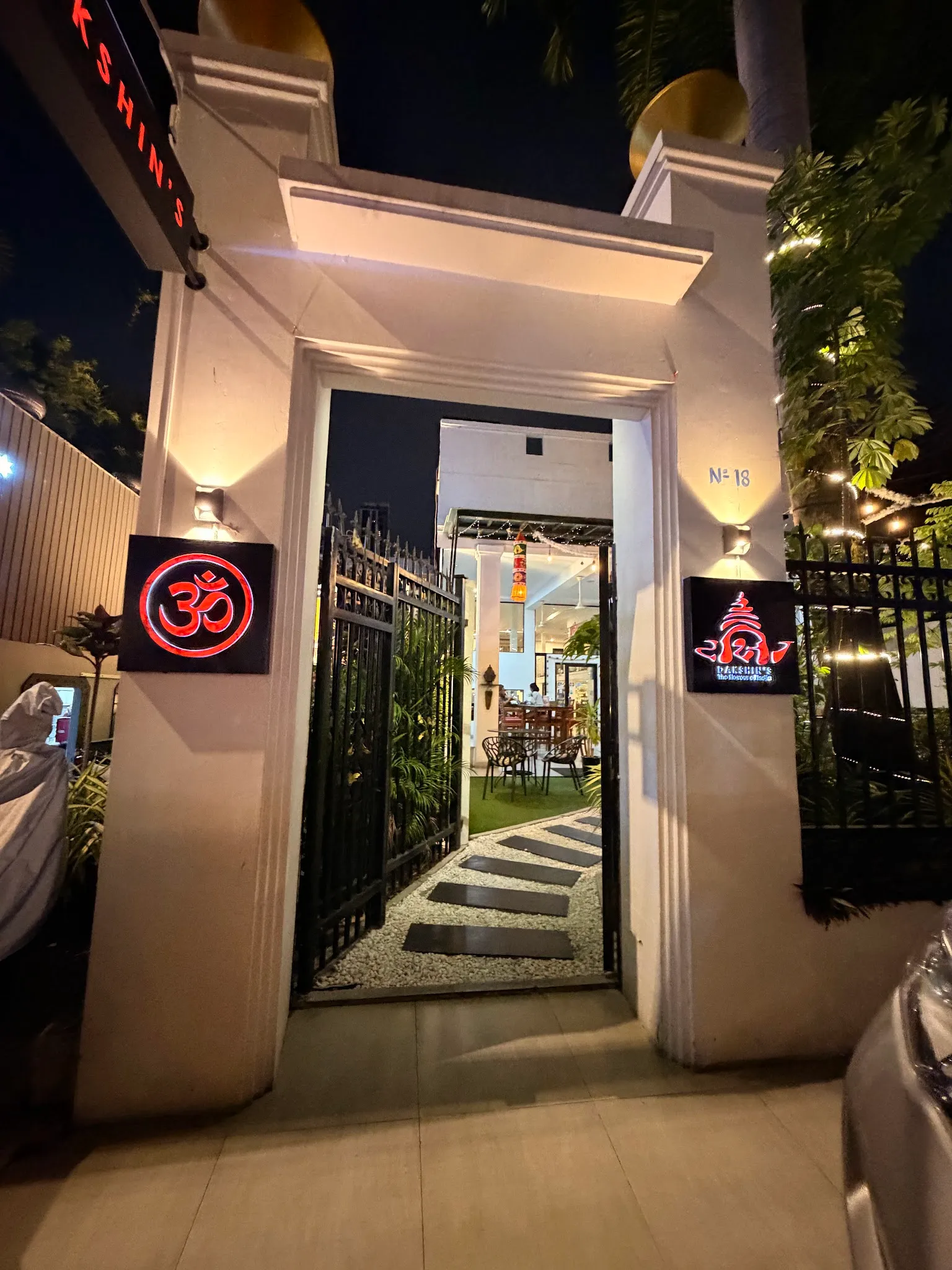
Phnom Penh has only a handful of Indian restaurants that operate at a level where the room, the service, and the kitchen are pulling in the same direction. Dakshin's Restaurant (18 Street 306, corner Street 51, BKK1) is the clearest example. The name is itself a statement of intent, dakshin being Sanskrit for south, and the kitchen lives up to it, running one of the few menus in the city that takes both North and South Indian cooking seriously as distinct traditions rather than a combined greatest-hits format. The Hyderabadi lamb dum biryani is slow-cooked under a sealed crust and served at the table. The masala dosa holds up against anything on the South Indian specialist side of town. The Chicken 65, a dry-fried dish from Chennai with a history that depends on which version of the story you believe, arrives with the right amount of heat. The room sits at the BKK1 fine-dining register, which means the pricing reflects the surroundings, but the kitchen is doing enough to justify it.
Dawat Indian Restaurant (House 11A, Street 282) occupies a similar tier by a different route. Dawat is Urdu for invitation, the kind extended to guests at a formal meal, and the kitchen takes that framing seriously. The menu spans North and South but finds its most distinctive register in the tandoor section: the Dawat-E-Murg Seekh Masala is minced chicken formed around skewers and finished in curry sauce, a step beyond the usual tikka-and-naan format. Kadai paneer, prawn biryani, and Kashmiri pulao round out a kitchen that operates with genuine range. Open daily from ten in the morning to eleven at night.
The Street 130 and BKK1 Stalwarts
If there is a corridor of Indian dining in Phnom Penh, it runs along Street 130 and the BKK1 streets to its north, and Sher-E-Punjab (16Eo Street 130) is one of its oldest anchors. The name translates as Lion of the Punjab, and the kitchen does not deviate from the identity that implies: this is North Indian cooking, Punjabi style, executed from a charcoal tandoor that produces properly blistered roti and charred naan alongside the usual grill roster. Complimentary poppadoms, dips, and chutney arrive with the meal, the kind of small grace note that signals a kitchen paying attention to the whole experience rather than just the main event. Multiple branches now operate across the city, but the Street 130 original is where the habit was formed.
Haveli Indian Restaurant (19 Samdach Louis Em St / Street 282) has been operating since 2017 on the same street as Dawat, which makes it a younger address but one that has found its footing clearly. The kitchen runs the North Indian canon with particular confidence in the biryani, aromatic and properly layered, and the tandoori chicken, which arrives from the oven with the right char. The room has a warmth to it that comes from deliberate design rather than accident: the interior was built for the kind of long dinner where people settle in rather than turn over quickly.
Coriander Indian (200B Street 310, corner Street 63, BKK1) sits at the BKK1 corner that sees heavy foot traffic from the expat community, and it has made itself useful to that crowd without becoming dependent on it. Dal makhani, kadai paneer, and chicken tikka masala are the kitchen's reliable centre, and the mango lassi that bookends a meal here is better than most in the neighbourhood. The format is casual without being careless, the kind of Indian restaurant that works equally well for a quick weekday dinner and a longer group meal on the weekend.
The South Indian Specialists
The South Indian end of Phnom Penh's Indian dining scene is smaller and, in some ways, more interesting for it. IDLI DOSA Indian Restaurant (5E Rue Pasteur / Street 51) is the city's most focused South Indian address, a kitchen that has settled on dosas, idli, and vadai and does not apologise for the narrowness of its ambition. The set dosa, podi dosa, egg dosa, and mushroom masala dosa cover the ground that matters, each one built from the fermented rice-and-lentil batter that takes days of preparation before it sees a hot iron. It opens at five in the evening, which makes it a dinner-only address rather than an all-day one. The room is modest. The cooking is not. For the Phnom Penh diner who finds most Indian menus too diffuse to trust, this kind of single-minded kitchen is exactly the right corrective.
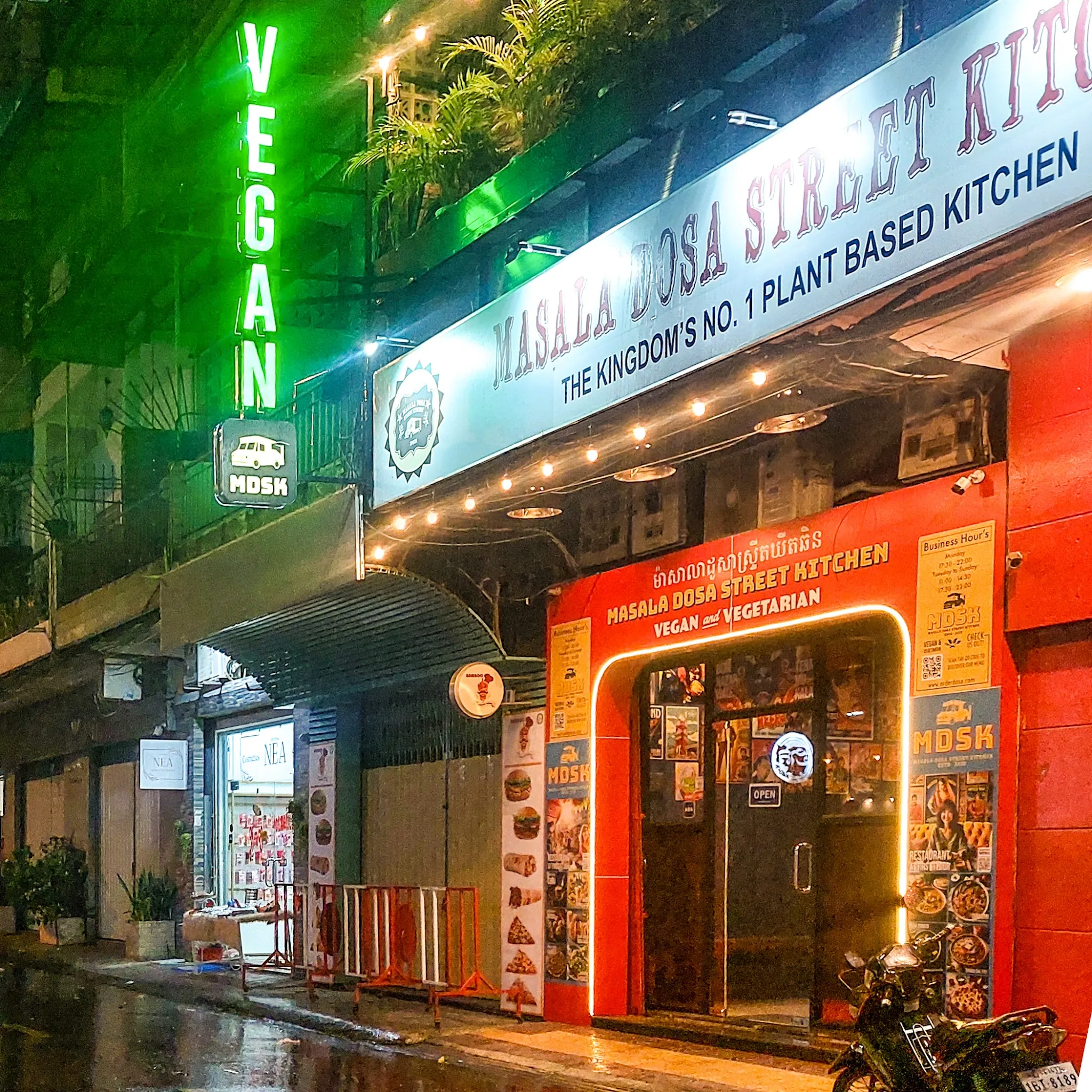
Masala Dosa Street Kitchen (Ground Floor, 6G Samdach Sothearos Blvd) has built its following on the Chamkar Mon boulevard with the same conviction but a wider creative reach. The classic masala dosa, a crispy fermented crêpe with spiced potato filling, coconut chutney, and sambar, is the foundation, but the kitchen also runs a spinach and corn variation and an eryngii mushroom and coconut cream dosa that demonstrate a willingness to work within the form while extending it. Fully vegetarian, women-owned, and open since 2018: the kind of restaurant that the neighbourhood would invent if it did not already exist.
The Long-Established and the City-Wide
Flavors of India (158 Preah Trasak Paem St / Street 63, BKK1) is as close to an institution as the Phnom Penh Indian scene has. The Street 63 original has been running long enough to have watched the neighbourhood around it change entirely, and the kitchen has not significantly deviated from the format that made it reliable: North Indian curries, tandoor grills, biryanis, and the pani puri, hollow crisp shells with tangy tamarind water, that long-term diners tend to order as a matter of reflex. The Toul Tom Poung branch on Street 123 carries the same menu to a second neighbourhood with the same consistency. The website is flavorsofindia.asia, which is the kind of detail that suggests a kitchen confident enough in what it is doing to operate like a permanent address rather than a passing one.
Namaste India is the other restaurant in Phnom Penh operating with that same city-wide reach. The Tonle Bassac original at Street 308 has been the area's default Indian address for long enough that the outdoor tables and the relaxed Chamkar Mon setting feel inseparable from the experience of eating there. Chicken saag, lamb biryani with saffron and fried onions, and a tandoori mixed grill platter are the dishes regulars navigate toward. The BKK1 branch on Street 63, corner Street 294, handles the northern part of the city with the same formula at a different address. Between the two, Namaste has covered more of Phnom Penh's Indian dining geography than almost anyone else.
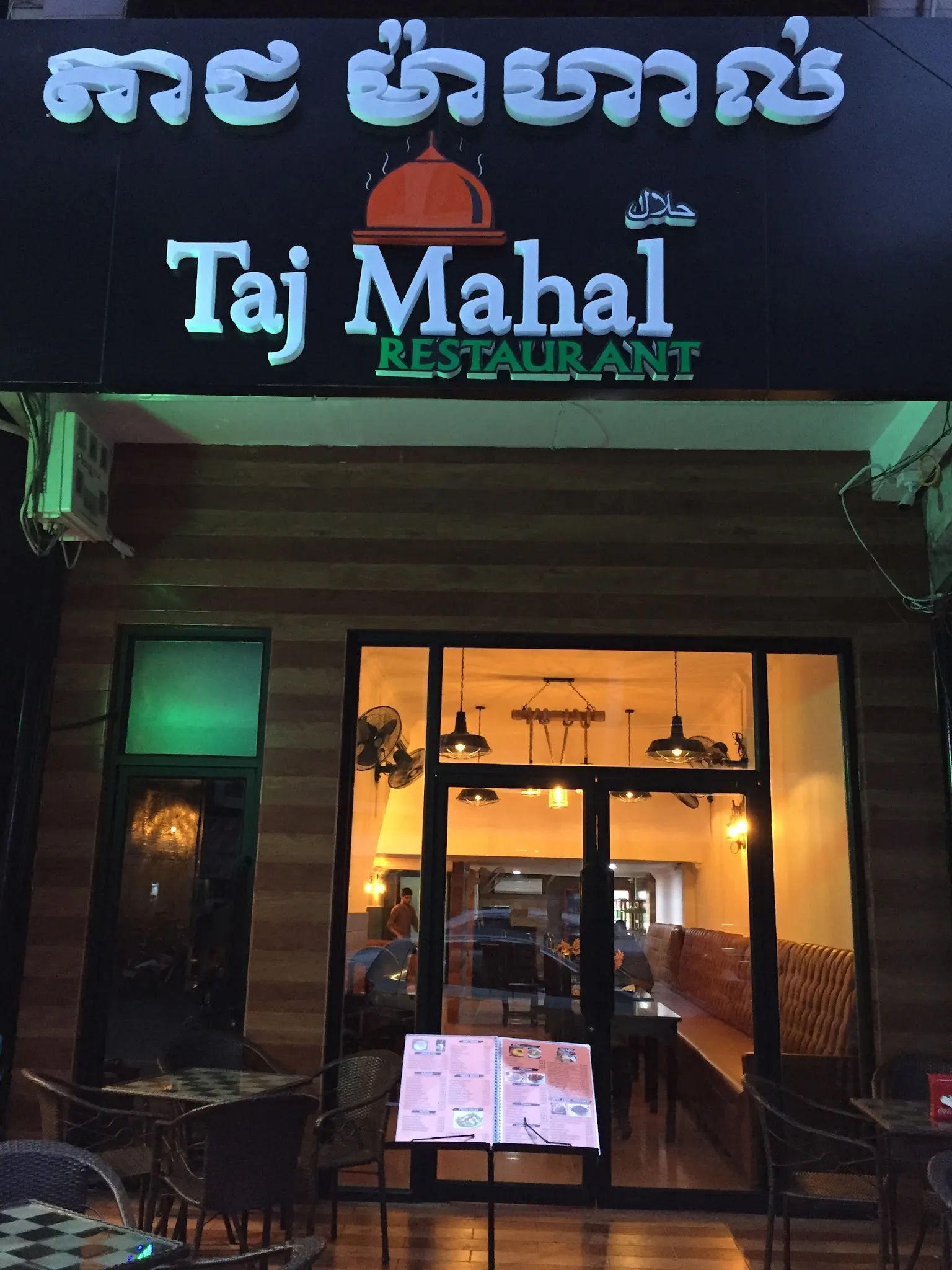
Taj Mahal Restaurant (125 Street 136) has been open since 1993, which makes it one of the oldest continuously operating Indian restaurants in the city, a fact worth stating plainly, because that kind of longevity in Phnom Penh means the kitchen has outlasted multiple economic cycles, a pandemic, and the general churn that takes out less resilient addresses. The operation runs twenty-four hours, which is unusual even by Phnom Penh standards, and the menu is the North Indian and Pakistani canon that the kitchen has been cooking for over thirty years: butter chicken, lamb rogan josh, garlic naan and roti, and masala chai. It is not the flashiest address on this list. It does not need to be.
Across the City: Curry Pot and Old Durbar
Two operations have made a point of planting flags in multiple corners of the city, and both are worth knowing about for different reasons.
Curry Pot runs two addresses that serve overlapping but slightly different crowds. The Toul Tom Poung branch (54 Street 454) is in the heart of TTP's residential grid, close enough to the Russian Market that the lunch trade draws from the neighbourhood rather than from across town, and the cheese naan and butter chicken are what regulars tend to arrive for. The Toul Kork branch (corner Streets 313 and 528) serves a neighbourhood that has fewer Indian options than it should, and the halal-certified kitchen, dal bhat, and outdoor seating have made it a genuine local fixture rather than just a convenience. Both branches run the same Indian-Nepalese format, and both earn their place.
Old Durbar takes that multi-branch logic in a different direction. The Street 294 branch focuses on the Himalayan end of the subcontinental spectrum: Nepali momos, handcrafted dumplings served in the jhol style with a broth, sel roti, and the kind of dishes that distinguish Nepali cooking from its Indian neighbour. The Street 63 branch extends this with a rooftop sky bar component, which makes it a more complete evening option for diners who want Indian food alongside a view. The two branches are doing different things with the same founding logic, which is a more honest way to expand than simply duplicating the same room in a new postcode.
What to Know Before You Go
The cuisine divide: The gap between North and South Indian cooking is real and significant. North Indian kitchens centre on tandoor-cooked breads, cream-based curries, and biryani. South Indian kitchens, IDLI DOSA and Masala Dosa Street Kitchen among them, are built on fermented rice batters, lighter coconut-based dishes, and idli, dosa, and vada. If you have eaten mainly at one type, the other is worth seeking out.
Halal certification: Many of the restaurants on this list are halal-certified: Namaste, Sher-E-Punjab, Curry Pot Toul Kork, and others. The city's South Asian Muslim community has shaped the Indian restaurant landscape significantly, and the certification is generally reliable rather than cosmetic.
Timing: Most of these kitchens operate from ten or eleven in the morning through to ten or eleven at night. Taj Mahal runs around the clock. IDLI DOSA opens at five in the evening, so it is dinner only.
Street 282: This short stretch in BKK1 holds both Haveli and Dawat within a short walk of each other, which makes it the most productive single street for Indian dining comparison. Worth knowing if you are deciding between the mid-range and the more formal ends of the market.
Phnom Penh's Indian restaurant scene is not the city's most discussed, and it is not the loudest. What it is, across the addresses on this list, is genuinely consistent, the product of communities cooking for themselves over years, with the result that almost any serious meal can be had without much risk of disappointment. From a Hyderabadi biryani in a BKK1 fine-dining room to a fermented rice crêpe on Street 51 that costs less than two dollars, the range is wide enough to visit the same cuisine and feel like you have eaten in several different countries. That is a rare thing in any city.
Ready to explore? Browse every Indian restaurant in Phnom Penh on BongNham, then place them in context with our neighbourhood guides to BKK1 and Toul Kork, or dig into the overlap with the city's halal kitchens. Planning a visit? Follow our one-day Phnom Penh itinerary.