Japanese Restaurants in Phnom Penh: Sushi, Ramen, Izakaya & More
Phnom Penh's Japanese dining scene runs deeper than most visitors expect: from a riverside ramen bar that has been cooking Hokkaido-style broth since 2013 to omakase counters importing fish direct from Toyosu Market. Here is where to find the city's best sushi, yakitori, izakaya, and everything in between.
There is a particular consistency to how good Japanese food gets made (a commitment to process, to sourcing, to the repetition of technique until the result looks effortless) that translates well to Phnom Penh. The city's Japanese community is substantial, its restaurant scene has been building for over a decade, and the result is a breadth of options that rewards the curious eater across every format and price point. The izakayas on Street 278 and Street 51 fill with Japanese regulars on weekday evenings. The omakase counters in BKK1 require reservations made days in advance. A ramen bar on the riverside has been making Hokkaido-style broth long enough to have earned the title of the city's original.
What follows is a guide to Phnom Penh's Japanese dining scene organised by format, because what you are in the mood for matters more, here, than any simple ranked list.
Ramen: The Broth Question
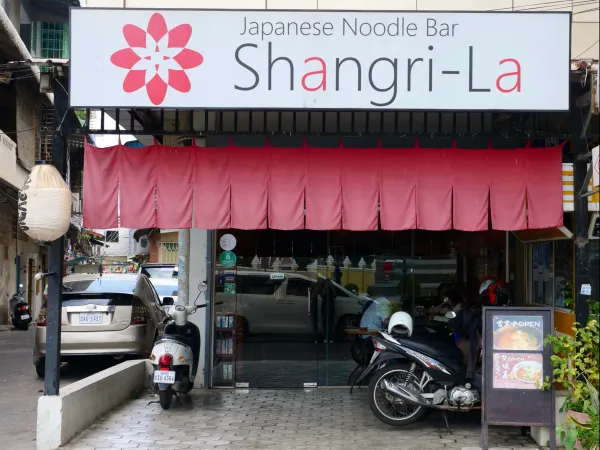
The oldest serious ramen address in Phnom Penh is also one of the most useful to know. Shangri-La Japanese Noodle Bar (477 Preah Sisowath Quay) opened in 2013 as the first Hokkaido-style ramen restaurant in the city, and it has been doing the same thing well ever since: Asahikawa ramen built on a triple-layer broth of miso, pork bone, and soy sauce, made with hand-pulled noodles. The riverside location means most visitors walk past it at some point, which is as good a reason as any to stop.
The TTP branch of the same operation, Japanese Ramen Bar Shangri-La Sai (63 Street 456, Toul Tumpong 1), offers a more neighbourhood-focused version of the same kitchen. The Hokkaido-style broth is simmered for thirteen hours from pork and chicken bones, and the cold ramen with miso dipping broth is worth ordering at least once. For anyone based in the Russian Market area, this is the local version of what the riverside branch does best.
For something closer to the bar-counter experience that defines Tokyo's smaller ramen shops, OHSAN RAMEN BAR (Street 51) keeps it appropriately focused: limited seating, a tight menu, and a serious approach to Dashi and Tonkotsu bowls that has built a loyal following. The format means it fills up. Go early, or be prepared to wait.
Ramen & Café Sina (194 Street 306) occupies a different niche: a Halal-certified Japanese ramen kitchen that replaces pork with chicken and seafood across its broths. The shoyu ramen and the curry chicken katsu ramen both hold up well, and the certification extends the address to a section of Phnom Penh's dining population that most ramen shops do not reach. Worth knowing about for that reason alone.
Sushi & Omakase: The Counter Seats
The benchmark for high-end sushi in Phnom Penh has risen considerably in recent years, and the city now has several serious omakase operations that would hold their own in any regional context.
Kyō Omakase (34 Street 174, Daun Penh) is the name that comes up most reliably when the conversation turns to the city's best Japanese fine dining. The kitchen is run by Executive Chef Kentaro Katsumata, whose twenty-four years of experience spans Tokyo and New York, and dinner here runs fourteen to eighteen courses depending on the tier. The space on Street 174 is intimate and quiet. Reservations are essential, and the restaurant is closed on Sundays.
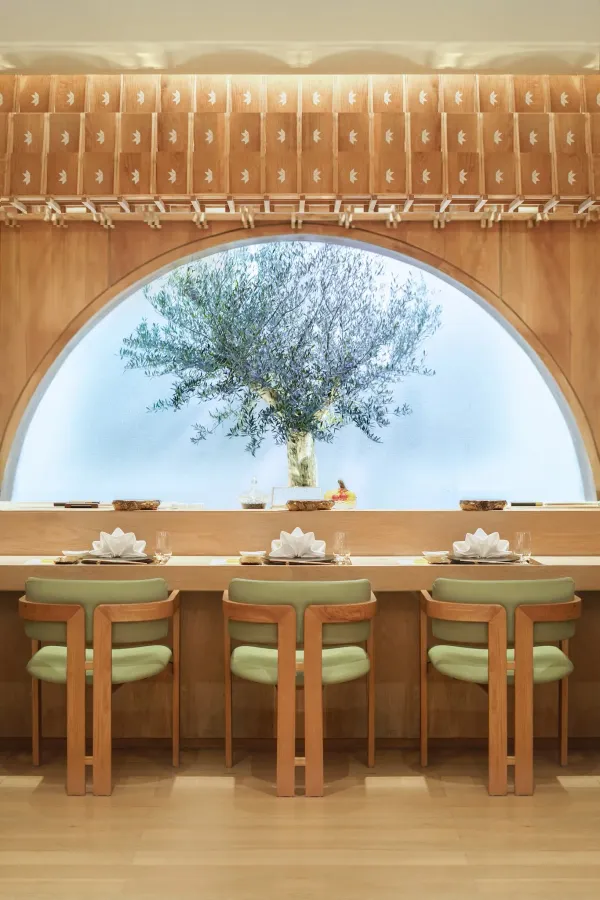
Operating on the same omakase principle but at a different address and price architecture is SuShi LaB (144E0 Street 51, BKK1), part of the Seigendo Group. The counter seats eight and a private room holds ten; courses run from twenty-nine dollars for a lunch set through to fifty-five for the Kappo-style evening menu. All of it is prepared by a Japanese head chef and requires reservations at least seven days ahead. The lead time tells you something about the demand.
At the top of the city's price range, Sushi Niwa (37 Street 310, BKK1) sources its fish directly from Tokyo's Toyosu Market and offers three omakase tiers (one hundred and twenty, two hundred, and two hundred and eighty dollars) at fixed lunch and dinner sessions. The private dining room is available for groups. It is closed on Tuesdays.
For a sushi bar experience at a more everyday price point, BAR Sushi Don Maru (179 Street 63, BKK1) blends Japanese sushi technique with some local Cambodian influences in its specialty rolls, served in a compact red-and-black lacquered interior with digital tablet menus. The raw oysters and the tempura assortment are the orders that the regulars know to make first.
Izakaya & Yakitori: The Evening Format
The izakaya (Japan's informal pub-restaurant, built around small plates, grilled skewers, and long unhurried evenings) has taken particularly well to Phnom Penh. Several addresses have built genuine followings, and the better ones function as neighbourhood anchors as much as restaurants.
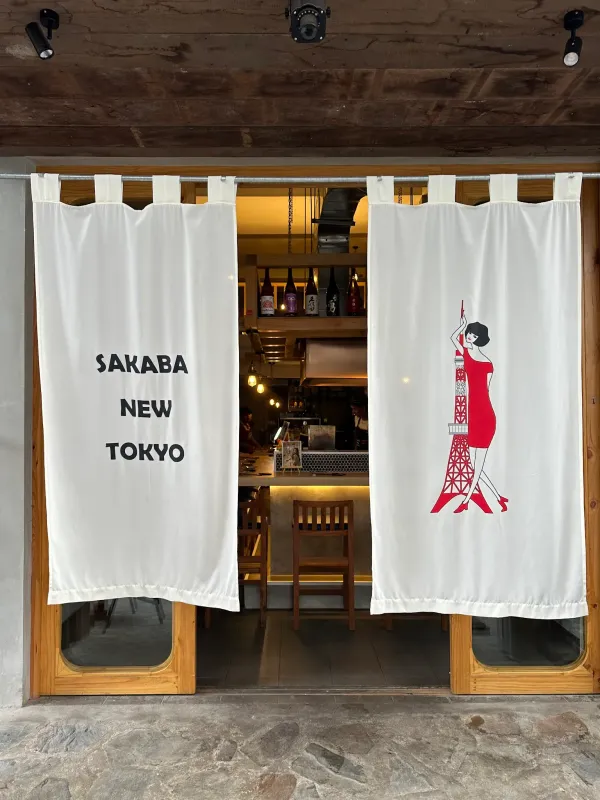
SAKABA NEW TOKYO (134Z Street 51) is the izakaya that most people in BKK1 end up at eventually. The format is correct: yakitori skewers, sashimi, gyoza, cold draft Sapporo, and the kind of casual after-work energy that makes it easy to stay for another round. It has been earning its place on this street long enough that it no longer needs to explain itself.
Jidaiya Yakitori (17 Street 278, BKK1) specialises in the grill: charcoal-cooked chicken and kushikatsu skewers that have built a strong following among locals and expats since the restaurant opened on one of BKK1's most active dining streets. The chicken gizzard skewers and the okonomiyaki are the dishes that regulars order without looking at the menu.
Tono Izakaya Cambodia (40 Street 334, BKK1) operates at a slightly higher register than the average izakaya (warm wooden interiors, imported seafood for the sashimi, A5 Wagyu donburi bowls) while keeping the convivial atmosphere that defines the format. Part of a regional group with roots in Malaysia and Singapore, it brings a level of consistency that comes from operating across multiple markets. The engawa don (flounder fin over rice) is one of the more distinctive bowls on the menu.
No Style (Street 51 / Street 288) is from the same owners as Katanashi next door and has the brevity its name implies: a bar counter, skewers grilled in the centre, and most items priced between ninety cents and four dollars. Duck skewers, leek-wrapped bacon, and a well-made whisky highball are the argument for going.
For the charcoal-grill experience in a different neighbourhood, SAKAGURA Japanese Izakaya (9-16 Street 398) runs a robata-yaki setup where dishes are cooked over charcoal in front of guests, uses no MSG, and brews its own IPA alongside a sake list. The grilled lotus root with mushrooms and the fried olives are the kinds of small plates that justify ordering more than you planned to.
The Seigendo Group: Four Addresses, One Consistent Kitchen
It is worth noting the Seigendo Group separately, because four of Phnom Penh's most reliable Japanese addresses operate under its umbrella: each with a different format, each run by a Japanese head chef.
Ebinosekai Cambodia (235D Street 63, BKK1) is the group's flagship and its most-visited restaurant, built on a specialisation in fresh shrimp (ebi, in Japanese) and a broader seafood-focused izakaya menu that extends to sea urchin, bento, and omakase options. It is one of the few Japanese restaurants in the city where the volume of regular custom is matched by the consistency of the kitchen.
SaKaNa LaB (39 Street 51, BKK1) is designed to resemble a traditional Japanese house and focuses on fresh seafood from Cambodia's coast, prepared by a head chef with over twenty years of experience. Mixed sashimi, nigiri, oysters, and ramen all feature. The space has the calm and considered atmosphere that sets it apart from the livelier izakayas nearby.
Sumi LaB (33A Street 464, Toul Tom Poung) brings the group's formula south of the city centre: charcoal-grilled yakitori and an omakase sushi and sashimi course in an evening-only format running until eleven. The oysters, simmered snail, and octopus small plates are what reviewers return for. Tables are limited; book ahead.
RoBaTa LaB (35 Street 528, Toul Kork) is the group's yakitori specialist: eighty seats, locally sourced chicken over binchotan charcoal, skewer sets from eight dollars, and draft beer at fifty cents. The tonkotsu ramen is also worth ordering. It is one of the better-value evenings in a neighbourhood that does not have enough of them.
Specialist Formats: Teppanyaki, Shabu-Shabu, Unagi
Una Fuji (37A Street 306, BKK1) is one of the more specific addresses in Phnom Penh's Japanese scene: an unagi specialist, meaning the menu is built entirely around freshwater eel grilled in the kabayaki style. The una-don (eel over rice) and una-ju (eel in a lacquered box) are the main events, and the dashi chawanmushi alongside them is exactly what a good side dish should be. Reviewers note that the quality is comparable to dedicated eel restaurants in Japan, which is a meaningful benchmark for a restaurant operating in Southeast Asia.
Metal Rice Bowl Teppanyaki (Street 123, Toul Tom Poung) runs the teppan format (tableside iron-grill cooking, open kitchen) at prices that make it one of the better-value teppanyaki addresses in the city. It stays open until one in the morning, which is useful information after a long evening in TTP. A second branch operates at Noro Lane Mall.
Pepper Lunch BKK1 (150 Street 51) is a Japanese fast-casual teppan chain that gives every diner a personal sizzling cast-iron plate to cook their own thinly sliced beef or salmon. The salmon pepper rice and the teppan sukiyaki are the most popular orders: the kind of interactive format that requires no particular knowledge of Japanese food to enjoy immediately.
For the shabu-shabu format, Mo-Mo-Paradise (Street 350 corner Street 360, 360 Plaza) is the city's most established hot-pot specialist, running all-you-can-eat shabu-shabu and sukiyaki with multiple soup bases, premium beef cuts, and wafu kimchi imported from Japan. The format is well-suited to groups, and the 360 Plaza location makes it convenient for anyone already in the BKK1 vicinity.
For a Different Kind of Evening: The Bar Formats
RETO Bar & Restaurant (Street 302, BKK1) describes itself as Phnom Penh's top highball destination, which is a reasonable claim for an evening venue built around Japanese bar culture: curated Japanese whisky and spirits, yakitori bar bites, and private rooms for larger groups. It opens at six in the evening and runs until one in the morning, which defines the kind of place it is.
Muteki Coffee Izakaya (24AE0 Street 278, BKK1) takes the izakaya format and folds it into a coffee-and-café operation that runs through the full day: Japanese breakfast and rice bowls by morning, izakaya dishes and cocktails by evening, a cash-only policy throughout, and a reputation as one of the most genuinely inclusive venues in the neighbourhood. The omelette rice and the grilled mackerel set are the morning orders worth knowing.
Tips
The Seigendo Group nexus: If you are trying to work through the city's Japanese scene efficiently, the four Seigendo Group restaurants (Ebinosekai, SaKaNa LaB, Sumi LaB, and RoBaTa LaB) give you the clearest sense of how seriously the better end of the market takes its sourcing and kitchen discipline.
Booking ahead: SuShi LaB requires seven days' notice minimum. Kyō Omakase fills most evenings. Sumi LaB is small. For any of the omakase formats, plan further ahead than feels necessary.
Ramen by neighbourhood: Shangri-La on the riverside for a quick stop on the quay; OHSAN on Street 51 for the bar-counter experience; Shangri-La Sai in TTP if you are already in the Russian Market area. The broths are different; all three are worth the visit.
Cash: Muteki Coffee Izakaya and a handful of smaller addresses operate cash only. Most of the main venues take card and ABA Pay.
Solo dining: Yakiniku Like at AEON Mall was built specifically for the individual diner: each guest gets a personal tabletop grill, individual sets from six dollars fifty, and no obligation to coordinate with anyone else.
Phnom Penh's Japanese dining scene does not get talked about the way the city's street food or Khmer cuisine does, and in some ways that is to its advantage. The ramen bars are not crowded with people who came specifically for ramen; the omakase counters are not performing authenticity for a tourist audience. The food is being made for the Japanese community that lives here, and for a city that has learned, over more than a decade of accumulation, what good Japanese cooking is supposed to taste like. That is a useful starting point for anyone who has not yet found their way in.
Explore all Japanese restaurants in Phnom Penh on BongNham