Korean Restaurants in Phnom Penh: A Guide to the City's BBQ, Bap and Pocha Scene
From a Monivong Boulevard dining room that has been grilling imported beef since 2007 to a 24-hour pocha bar where the soju arrives with clam soup flambéed at the table, Phnom Penh's Korean food scene runs far deeper than the BKK1 signage suggests.
Korean restaurants have been part of Phnom Penh's dining fabric for longer than most visitors assume. The wave of Korean investment and migration that reshaped BKK1 and Tonle Bassac over the past two decades brought with it a full transplanted food culture: not a handful of fusion outposts, but tabletop grills, pocha bars, home-style rice kitchens and fried chicken counters spread across Street 306, Street 288, Street 302 and well beyond, into Sen Sok and Toul Kork where the city's newer Korean residential pockets have taken root. Some of these places have been open since the late 1990s. Others opened this year and are already busy by seven most evenings.
What makes the scene worth navigating carefully is the range hiding behind a single cuisine label. A tourist walking down Street 306 sees charcoal smoke and hanging signage and assumes it is all the same experience. It is not. There is a real difference between a restaurant built for a family banquet with private rooms and imported beef, a lunch counter where the regulars are mostly Korean office workers ordering the same bowl of kimchi jjigae they had yesterday, and a pocha bar that does not really start its evening until ten. Here is how to find the right one.
The Institutions
A handful of Korean restaurants in Phnom Penh have been here long enough to have trained a generation of regulars, and they remain the reference point against which everything newer gets measured.
Jaru Korean Restaurant (15 Samdach Louis Em St., Street 282) has been serving both traditional and contemporary Korean food since 1997, which makes it one of the oldest continuously operating Korean kitchens in the city. The tabletop BBQ format is classic (grilled pork ribs, an extensive banchan spread, beef bone soup that takes real time to build), and the casual, unfussy room reflects nearly three decades of doing this without needing to reinvent itself.
Restaurant Le Seoul (93 Preah Monivong Blvd) has been open on Monivong since 2007 and has built its reputation on imported US beef, grilled tableside in a spacious, air-conditioned room with private dining rooms for the sort of celebration dinner that calls for genuine privacy. It sits at the top of the price scale for Korean BBQ in the city, and the quality of the beef is the reason regulars keep paying for it.
Sikgaek Korean Restaurant (Street 352 & 63, BKK1), whose name translates roughly as "food lover", runs one of the larger operations in the neighbourhood: a thirty-seat main hall backed by twenty-seven private rooms, open daily from eleven until ten. Complimentary kimchi soup arrives before you have ordered anything, a small gesture that says something about how the kitchen thinks about hospitality. Braised short ribs and pollack stew sit alongside the BBQ, giving it more range than a grill-only address.
Premium Grills for a Special Occasion
Where the institutions built their name on consistency, a newer tier of BKK1 Korean BBQ restaurants has built its name on the quality of the meat itself.
Sookdal Korean Restaurant (Street 352, Boeung Keng Kang 1) is the Phnom Penh outpost of a premium Seoul chain founded in 2014, and it plays the part: private dining booths, staff who grill tableside so the cut is handled properly, and a menu built around Wagyu-grade beef and pork jowl rather than the standard BBQ spread. It is priced accordingly (the most expensive Korean address on this list), and it is built for an occasion rather than a weeknight.
Yooksiri Premium Korean BBQ (Street 306, BKK1) takes a more accessible route into the same territory. Dry-aged pork belly and spicy rib fingers are the draw, and the lunch sets, which start from six dollars and still come with a full spread of banchan, seafood stew and tofu, make the premium format workable outside of a dedicated evening blowout.
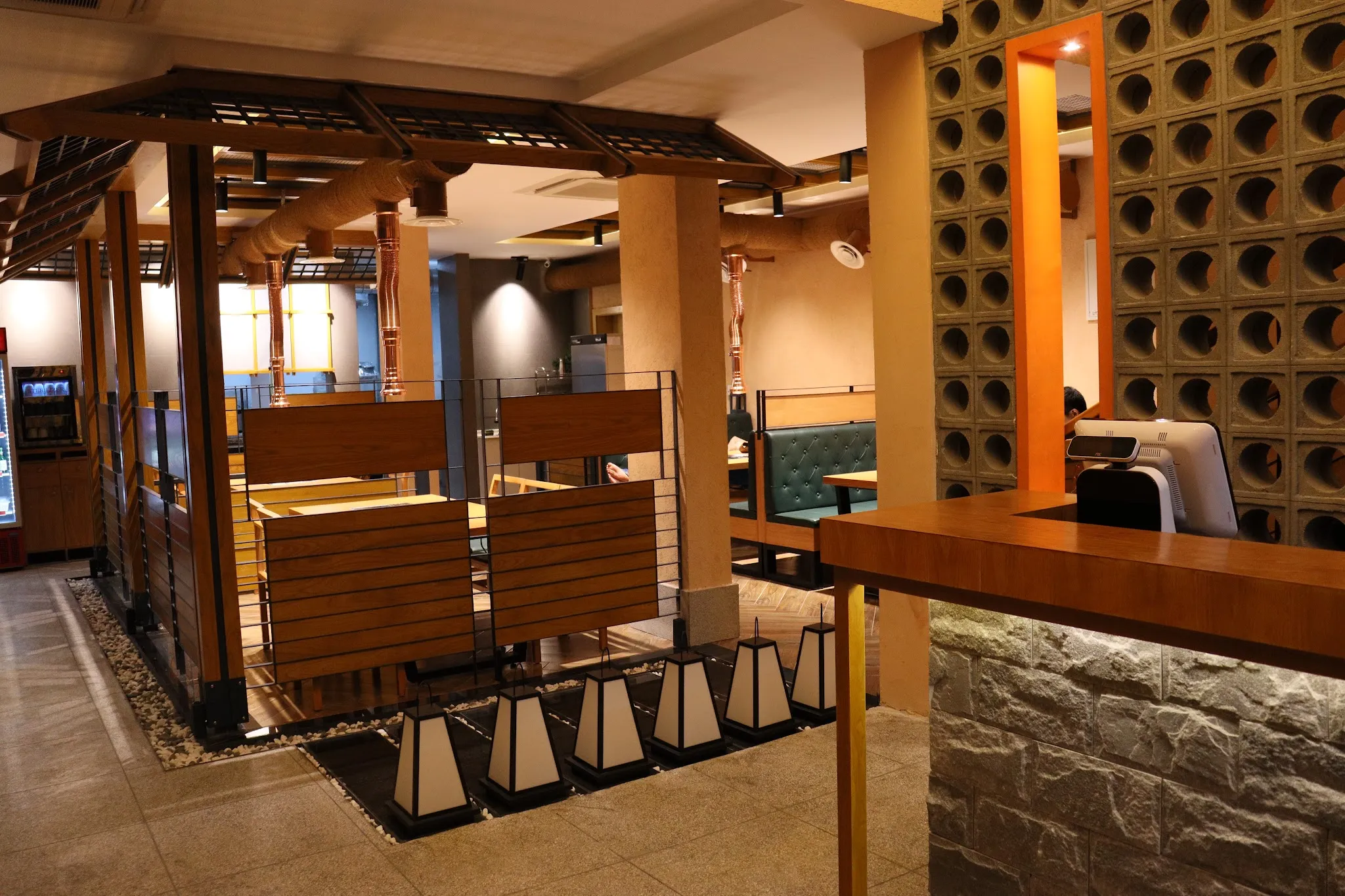
DOSEGI Korean BBQ (Street 302, Boeung Keng Kang) runs charcoal tabletop grills rather than gas, which changes the character of the meat noticeably, and sends six complimentary banchan to every table for two. The gamjatang, a pork bone and potato stew that takes real patience to make properly, is worth ordering alongside the grill rather than skipping it for meat alone.
Home-Style Kitchens
Away from the grill-heavy showpieces, a quieter category of Korean restaurant serves the food that Korean residents actually eat on an ordinary Tuesday: rice, soup, banchan, and none of the theatre.
Bornga (Road 352, BKK1) serves traditional Korean home-style cooking in a casual room built around rice dishes, soups and pancakes rather than the grill alone. The hae mul pajeon (a seafood and green onion pancake) and a properly built dolsot bibimbap, rice crackling against the hot stone pot, are the dishes worth building a visit around.
SanNaeDeul Restaurant (N05B Street Angkor, Sen Sok) sits well outside the BKK1 cluster, in the Borey Piphub Thmey area, and has earned a loyal following within Phnom Penh's Korean community for exactly that reason: it is a neighbourhood restaurant serving a neighbourhood, not a destination built for outsiders. The kimchi bossam, napa cabbage wrapped around pork, and a generous spread of traditional banchan reflect a kitchen that is not performing authenticity so much as simply cooking the way it always has.
Bap & Kimchi (Street 278, BKK1) is the no-frills answer to the same idea, priced well below most of its BKK1 neighbours. Shin ramen, kimchi fried rice and kimbap dominate the lunch crowd, and the value on offer here is real rather than promotional.
Hama Korean Restaurant (NW-06, Sen Sok) makes a specific claim worth noting: the kitchen uses probiotics rather than MSG, a detail that matters to the health-conscious end of the city's Korean community. The naengmyeon (cold buckwheat noodles, served either raw-style or with broth) is the dish this address is known for, and it is a useful antidote to Phnom Penh's heat in a way that grilled meat is not.
Late-Night Pocha Culture
Korea's pojangmacha (the outdoor drinking-and-snacking stalls that anchor a night out in Seoul) have a real presence in Phnom Penh, concentrated mostly around Street 57 and Street 282, and built around soju, anju and dishes designed to be shared over several hours rather than eaten quickly.
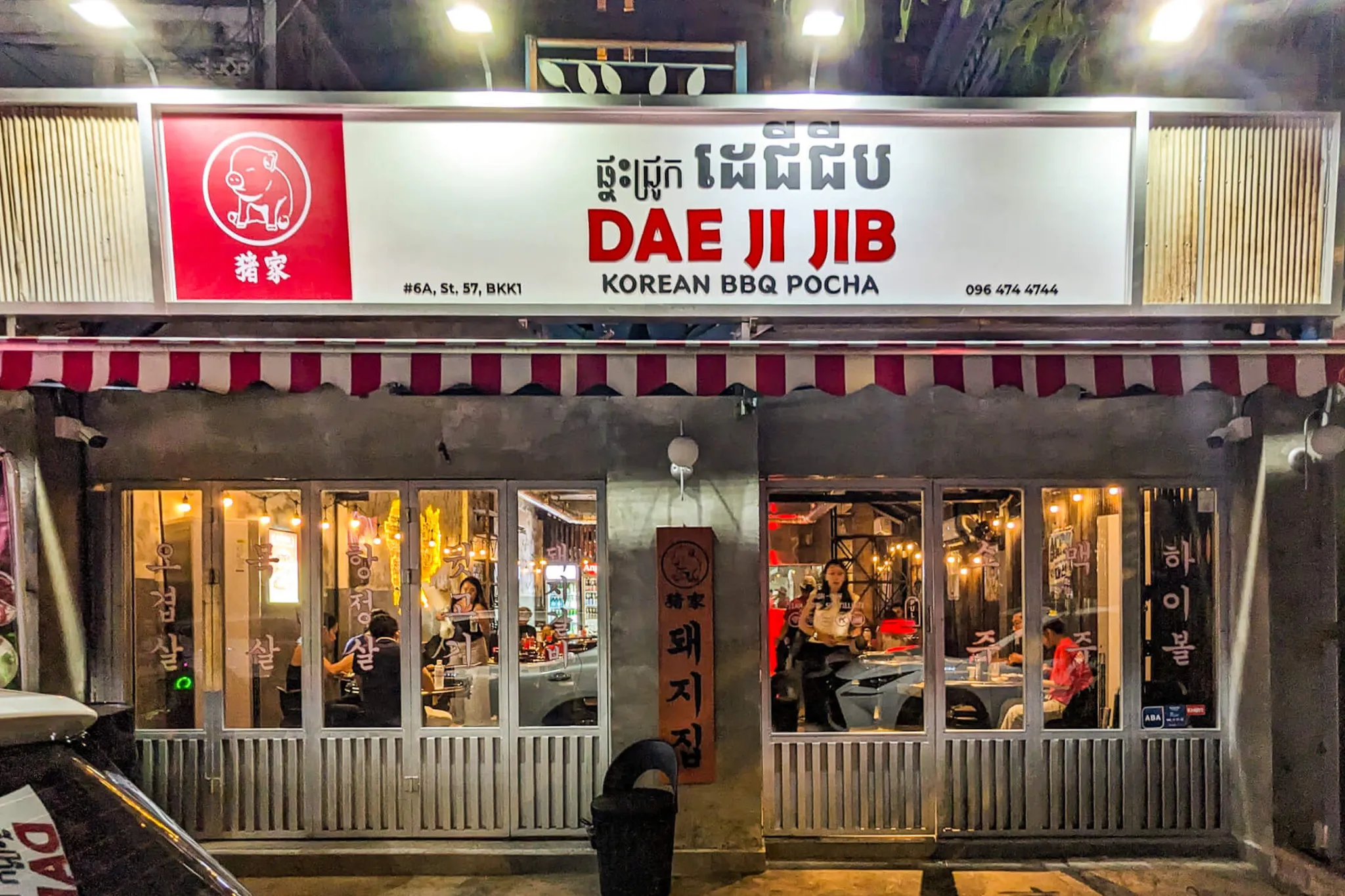
Dae Ji Jib (Street 57, BKK1) styles itself explicitly after the retro pocha stalls, with K-pop and Korean OSTs mixed against local Khmer music and a kitchen built around aged pork grilled at the table. The clam soup, flambéed in soju before it reaches you, is the kind of dish a pocha bar exists to make, and dinner service running until one in the morning gives the address its late-night identity.
Pocha BKK (Samdach Louis Em St., BKK1) takes the pocha format literally, running twenty-four hours and specialising in samgyeopsal grilled tableside alongside budae jjigae (the army stew of sausage, ham and kimchi that traces its origins to Korea's post-war years) and an extensive soju and drinks menu built for a long night rather than a quick meal.
OPPA'S 24-hour Korean Restaurant (Street 306, BKK1) rounds out the round-the-clock options with karaoke amenities alongside the food: kimchi jjigae, budae jjigae, tteokbokki and sundubu jjigae covering the comfort-food canon at any hour you might need it.
UWA Korean Street Food (Street 294, BKK1) leans further into the street-stall format itself, with sizzling rice bowls, dakgalbi and kimbap in a casual, affordable setting closed on Sundays, a reminder that not every Korean kitchen in the city runs on tourist hours.
Kaure (Street 51, BKK1) frames itself around a 1970s South Korean street-food retro identity, with kimchi pancake and a US short beef BBQ set alongside craft cocktails, a hybrid that sits somewhere between pocha bar and cocktail lounge, and works as either.
Korean Fried Chicken, Multiplied
Korean fried chicken has become its own category in Phnom Penh, driven largely by the expansion of Bonchon, the Korean-American chain now running multiple branches across the city: BKK, Sorya, Chroy Changva and Olympia Mall among them. The format is consistent wherever you find it: twice-fried chicken finished in either soy garlic or spicy gochujang sauce, crisp outside and still juicy within, backed by a supporting menu of bibimbap and kimchi pork fried rice. It is not the place for a considered Korean meal, but for the specific craving it exists to satisfy, it delivers reliably at every location.
Tips for Exploring Phnom Penh's Korean Food Scene
Where to start: Street 306, Street 302 and Street 288 in BKK1 form the densest cluster of Korean restaurants in the city, close enough together that a short walk covers BBQ, home-style kitchens and pocha bars in the same evening. You can browse the full list of Korean restaurants in Phnom Penh to plan a route.
Banchan etiquette: The side dishes that arrive unordered at the start of a Korean BBQ meal are complimentary and, at most addresses, refillable. Ask rather than assume you are stuck with the first round.
Price range: Korean dining in Phnom Penh spans the full scale, from Bap & Kimchi's single-dollar-sign lunch counter to Sookdal's premium grill experience. Check the price band before committing a group to a BBQ dinner.
Groups and reservations: The institutions with private rooms (Jaru, Le Seoul, Sikgaek) are built for group bookings and are worth reserving ahead of time for anything larger than four people.
Late-night options: If the craving hits after midnight, OPPA'S and Pocha BKK both run twenty-four hours, and Dae Ji Jib's kitchen stays open until one.
Phnom Penh's Korean food scene rewards the same instinct that serves any diner well in this city: know what you are actually in the mood for before you pick an address. The grill-heavy showpieces on Street 306 are not competing with the home-style kitchens tucked into Sen Sok, and neither is trying to be a pocha bar that will still be serving soju at two in the morning. Taken together, from a Monivong dining room that has been grilling since 2007 to a stew flambéed in soju at a Street 57 pocha bar, it is one of the more fully realised transplanted food cultures anywhere in the city.
If exploring one transplanted food culture leads you to the next, our guide to Japanese restaurants in Phnom Penh covers the city's izakayas, sushi counters and ramen kitchens in the same spirit.