Korean BBQ in Phnom Penh: Where to Eat Around the Grill
Phnom Penh's Korean BBQ scene is larger, more varied and more seriously run than most people realise. Here is how to eat your way through it, from the landmark institutions to the premium Seoul imports and the neighbourhood grills the city's Korean community visits without any fanfare.
There is a moment at a Korean BBQ table that does not exist at most other restaurants. The meat arrives raw. The grill is already hot. Somebody at the table picks up the tongs. From that point on, the meal belongs to everyone, and that collective ownership of the cooking, the wrapping, the dipping, the side dishes arriving in small ceramic bowls without being asked, is a format that travels better than almost any other cuisine in the world. It has settled into Phnom Penh with some permanence.
The Korean community in the city is long-established, and the restaurant infrastructure that has grown around it reflects that. Jaru Korean Restaurant has been operating since 1997. Le Seoul has been on Monivong Boulevard since 2007. These are not trend establishments; they are neighbourhood institutions with decades of regulars behind them. Around them, a newer generation of Seoul-franchise imports, including Seorae, Sookdal, and Yooksiri, has raised the premium end of the market considerably. And beneath all of that, a scattering of local grills and pojangmacha-style spots operates at prices that make a full evening at the table feel like a very reasonable decision.
What follows is a guide to the full range: the institutions, the premium charcoal houses, the neighbourhood grills, and a few side notes that fill in the picture around the fire. You can also browse the full list of Korean restaurants in Phnom Penh to plan your own route.
The Institutions
Jaru Korean Restaurant (15 Samdach Louis Em St / Street 282, BKK1) has been operating since 1997, which in Phnom Penh's dining landscape is a credential that requires no further argument. The menu spans traditional and contemporary Korean cooking: beef bone soup, galbi, braised spicy octopus, at prices that remain genuinely reasonable for the neighbourhood. The crowd is mixed in the way that a long-running local institution always is: Korean families, expat regulars who have been coming for years, newer visitors who arrive once and immediately understand why the place has lasted.
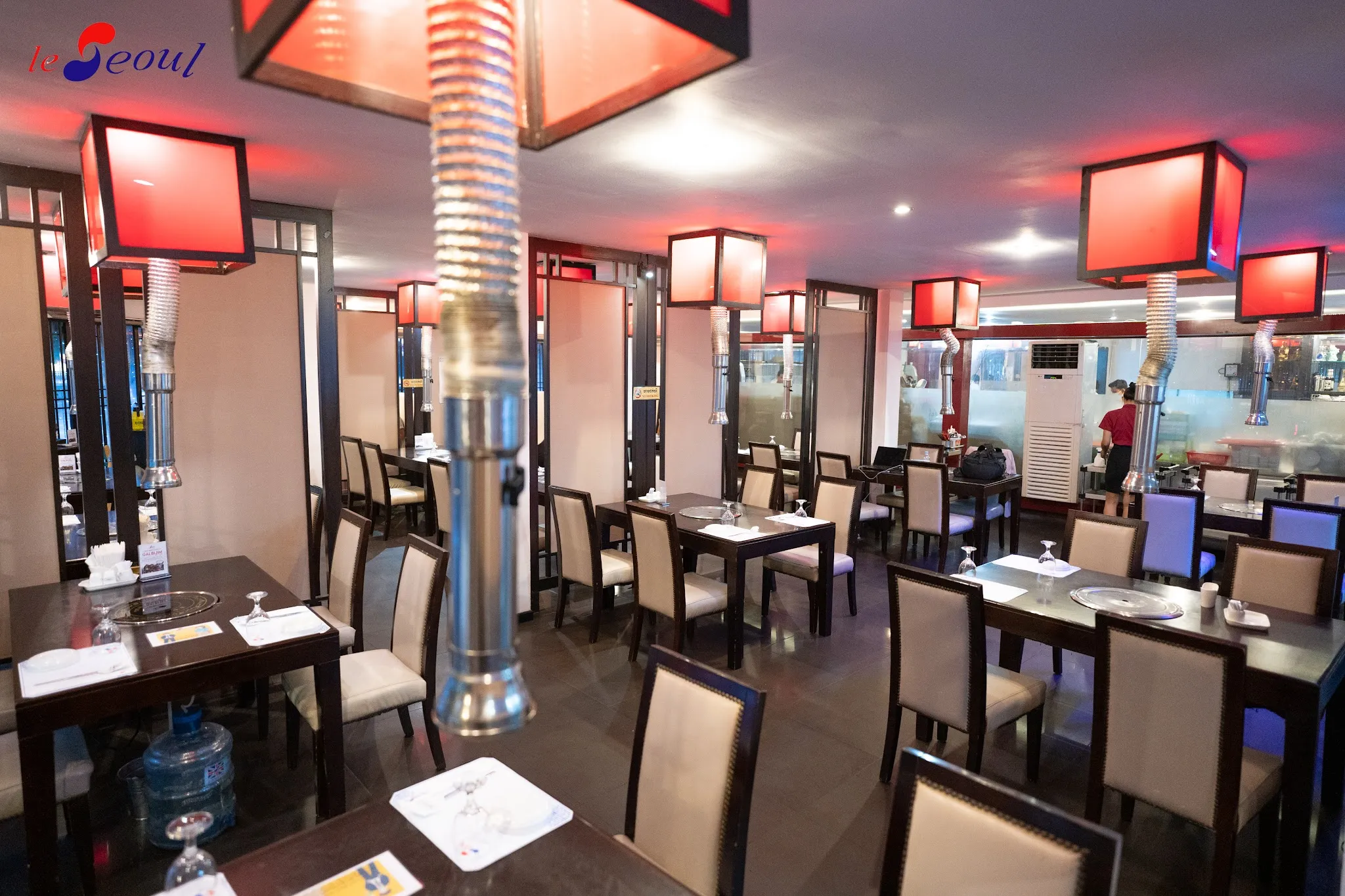
Restaurant Le Seoul (93 Preah Monivong Blvd, Daun Penh) has been on Monivong since 2007 and anchors the upper-middle tier of the market. The kitchen sources US beef for its tableside BBQ, which is not a trivial distinction; galbi and samgyeopsal grilled over quality imported cuts produce a different result from the budget alternative. The room is smart, the set meals are well-structured, and the kimchi jjigae arrives alongside in the way a kitchen that takes the whole meal seriously always ensures it does. Expect twenty to fifty dollars a head with a drink, and it earns that positioning without apology.
The Charcoal Houses
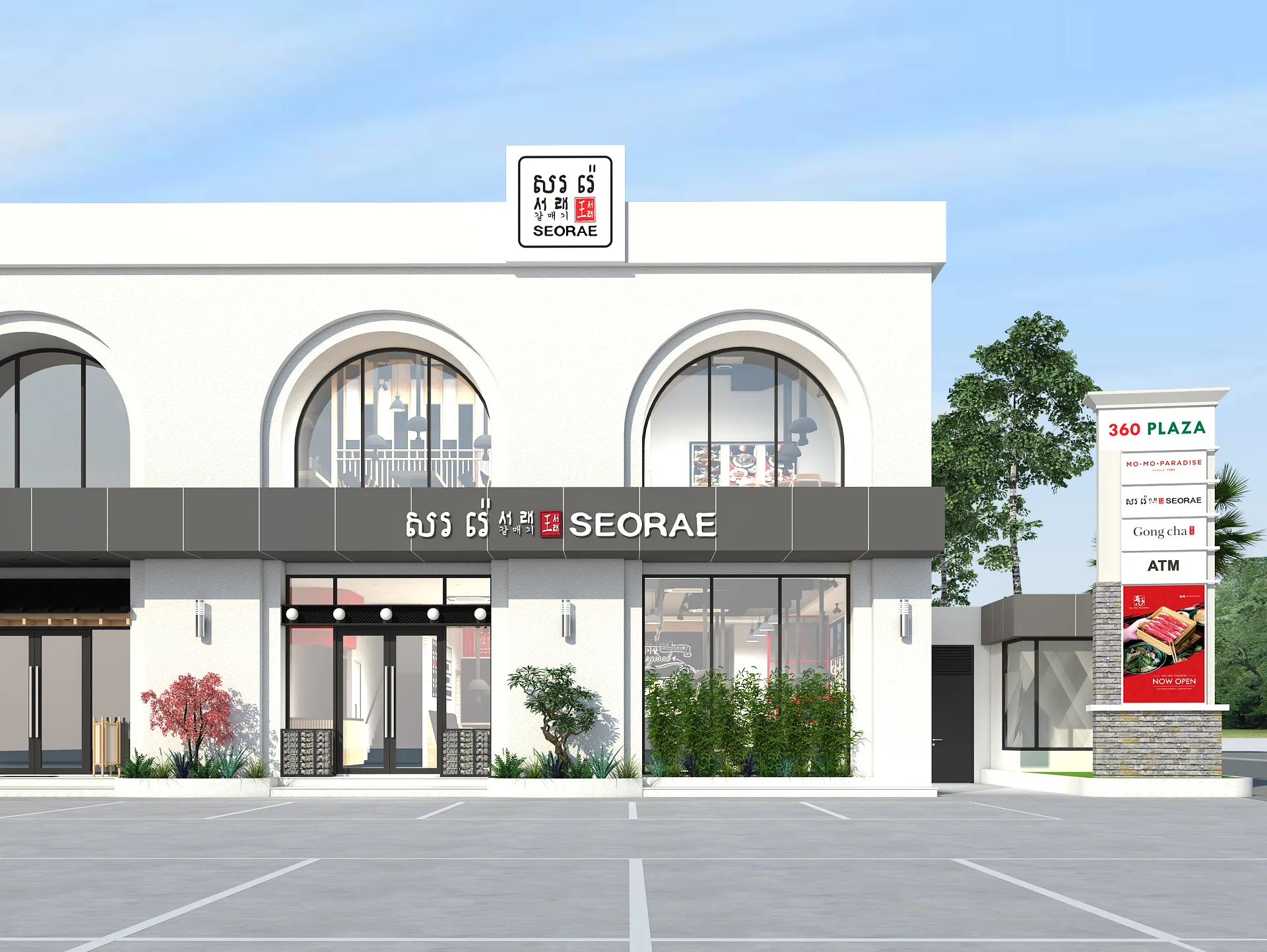
Seorae Korean Charcoal BBQ has spread across more than half a dozen Phnom Penh branches, among them AEON Mall Sothearos, AEON Mall Mean Chey, AEON Mall Sen Sok, Rue Pasteur and the 360 Plaza room this guide points at, and each has found its own loyal crowd. The chain comes from South Korea with a specific focus: galmaegisal, the pork skirt meat that was historically reserved for Korean royalty, available in quantities of only 250 grams per fully grown animal. Charcoal-grilled over purpose-built circular grates, it is denser and more flavourful than belly, and the five-way marinade variation at 360 Plaza gives you a reasonable basis for comparison across one sitting. It sits in the middle of the market at ten to twenty dollars a head, takes reservations, and runs from 10:30 AM.
Sookdal Premium Korean BBQ (Street 288, Village 3, BKK1) is the Seoul import that operates in the tier above. Founded in Seoul in 2014, the Phnom Penh branch brings private dining booths, tableside grilling managed by staff, and a menu built around dry-aged pork belly, pork jowl (hangjeongsal), marinated short ribs, and set meals that include mussel soup and king oyster mushrooms. It is priced for an occasion rather than a weeknight, and the experience is deliberately unhurried. It is the address to know when the occasion calls for something more considered than a shared grill with the volume up.
DOSEGI (51 Street 302, Boeung Keng Kang) does the charcoal BBQ format with some generosity: six complimentary banchan at every table, gamjatang (pork bone and potato stew) that regulars return for specifically, and a closing time of midnight that makes it useful for the kind of evening that runs later than planned. The BKK address is convenient, and it stays open late enough to reward that convenience.
Dae Ji Jib (6A Street 57, BKK1) takes a pojangmacha aesthetic, the retro Korean street-food stall with vinyl awnings, and applies it to aged pork BBQ in a room that runs K-pop and Korean OSTs at a volume that signals intent. The gopchang (grilled pork intestines with pork skin) is the order for diners who want to eat the way the regulars do; the kimchi crispy fried chicken is the more approachable entry point. It opens for lunch, closes in the afternoon, and reopens until 1 AM, which gives it unusual versatility.
Yooksiri Premium Korean BBQ (Street 306, BKK1) originated in Seoul and runs until midnight, which is part of its appeal. Dry-aged pork belly is the anchor, alongside marinated beef and spicy rib fingers, at prices that sit alongside the city's other premium grills and reflect the sourcing. The BKK1 location means it sits among enough competition to keep standards honest.
The Neighbourhood Grills
Sikgaek Korean Restaurant (식객, 231 Streets 352 & 63, BKK1) takes its name from the Korean word for food lover, which is a reasonable statement of intent for a room that seats thirty at communal tables and offers twenty-seven private rooms for the rest. The kitchen runs Seoul bulgogi, galbi-jjim (braised short ribs), and pollack stew alongside the BBQ menu, which gives the evening more range than a pure grill house. It opens at 11 AM and closes at 10 PM daily, at mid-range prices for the neighbourhood.
Myeong Weol Gwan (명월관, 301 Street 1970) is the Korean community's low-fanfare choice: tender grilled meats, proper naengmyeon (cold buckwheat noodles) that makes the dining room unavoidable on a hot afternoon, and a seafood hotpot that earns its place on the table. It is not in the primary expat corridor, which is part of the point; the crowd here is predominantly Korean, and the cooking calibrates to that.
Bornga (본가, Road 352, BKK1) covers hae mul pajeon (seafood and spring onion pancake), dolsot bibimbap, and samgyetang (whole chicken ginseng soup) with the same seriousness it applies to the grill. It is a restaurant that understands the meal as a complete thing: the banchan, the soups, the rice dishes, rather than treating everything outside the grill as an afterthought.
Gajok Restaurant (No. 2EO Street 347, Toul Kork) runs grilled mackerel, eel, gamjatang, and premium beef BBQ until midnight from its Toul Kork address, which makes it the answer when the neighbourhood east of BKK1 is where the evening starts. The midnight closing time means it serves as both a dinner venue and a late-night grill without having to decide which it is.
The Late-Night and 24-Hour Options
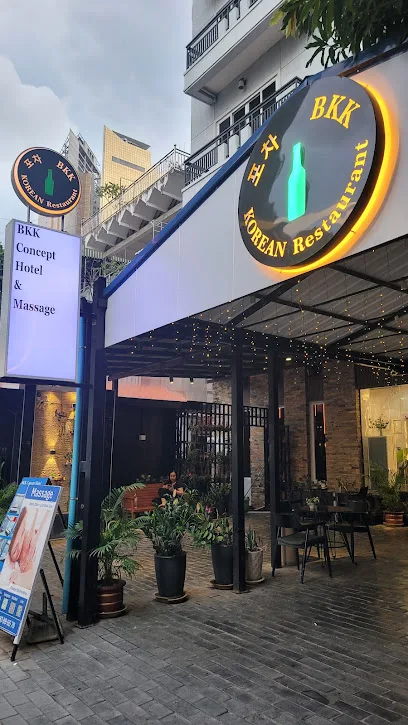
Pocha BKK (포차 BKK, 15A Street 282, BKK1) is open twenty-four hours, takes its pojangmacha format seriously, and centres the menu on samgyeopsal grilled at the table with lettuce wraps, budae jjigae (army stew with sausage, ham, and kimchi), and the kind of kimchi jjigae that makes sense at any hour. It is the address for the table that does not want the evening to have an imposed end time.
OPPA'S 24-Hour Korean Restaurant (22 Street 306, BKK1) does Korean comfort food at all hours: kimchi jjigae, budae jjigae, Korean fried chicken, tteokbokki, in a BKK1 address that stays busy from mid-morning to the early hours. The kitchen keeps the same menu regardless of the time, which is more than most places can honestly claim.
A Note on the Broader Scene
The Korean dining landscape in Phnom Penh extends well beyond the grill. ZZO LAB (Street 288, BKK1) is a Korean-owned bar and bistro that has built its reputation on natural wine and seasonal cooking: a fifty-percent pasta discount at lunch, organic small plates, and a cellar that keeps at least thirty percent of its list in natural wine. It is a different register entirely, and a good one. Bap & Kimchi (Street 278, BKK1) operates at the opposite end of the scale, where a bowl and a drink still come in under five dollars. Shin ramen, kimchi fried rice and bulgogi at those prices make it the neighbourhood's everyday Korean kitchen.
The Korean Grill inside NagaWorld (Level 1, NagaWorld 1) is worth knowing for a specific occasion: tableside grilling overlooking the NagaWorld musical fountain, led by a kitchen that sources Hanwoo beef from imported cuts. It is a special-occasion price, and it functions as a casino-hotel restaurant, which means the context is slightly different from a standalone grill house. For that occasion, it is the right address.
Tips for the Table
The charcoal question: Proper charcoal grilling at Seorae, DOSEGI, Sookdal, and Yooksiri produces a flavour profile that gas cannot replicate. If the heat source matters to you, check before you sit down.
Banchan: The small dishes that arrive before the grill is hot are not an afterthought. The kimchi, the spinach, the bean sprouts, the pickled radish are part of the meal. Eat from them throughout rather than clearing them in advance of the meat.
Lettuce wraps: Samgyeopsal eaten directly off the grill is valid. Samgyeopsal wrapped in a perilla leaf with a smear of ssamjang and a sliver of raw garlic is better. Most Korean BBQ tables supply the leaves and the paste without being asked; if they do not, ask.
Reservations: Sookdal, Le Seoul, and Yooksiri are worth reserving in advance for Friday and Saturday evenings. DOSEGI, Seorae, and Sikgaek generally absorb walk-ins with more ease, though the premium cuts at Seorae sell out during busy service.
Timing: The Korean BBQ houses typically open at 11 AM and run continuous service until 10 or 11 PM. The pojangmacha-style spots at Dae Ji Jib, Pocha BKK, and OPPA'S are better suited to the later part of the evening when the atmosphere matches the format.
Phnom Penh's Korean BBQ scene does not need its reputation adjusted upward. The institutions have been here long enough to prove their staying power. The Seoul-franchise imports have raised the premium ceiling without pricing out the middle tier. And the neighbourhood grills, scattered across BKK1, Toul Kork, and the streets around Monivong, operate with the quiet confidence of places that have never needed to announce themselves. Pick a table, pick a cut, and hand someone the tongs.
Ready to find your table? Browse every Korean restaurant and grill in the city on BongNham, then read our wider guide to Korean restaurants in Phnom Penh for the bap, stew and pocha side of the scene. For more of the same instinct, try our guides to Japanese restaurants and the best steakhouses in the city, or the BKK1 restaurant guide for the neighbourhood most of these grills call home. Making a night of it? Our evening on the quay itinerary runs dinner, the night market and a nightcap in one go.